Address
304 North Cardinal St.
Dorchester Center, MA 02124
Work Hours
Monday to Friday: 7AM - 7PM
Weekend: 10AM - 5PM
Address
304 North Cardinal St.
Dorchester Center, MA 02124
Work Hours
Monday to Friday: 7AM - 7PM
Weekend: 10AM - 5PM


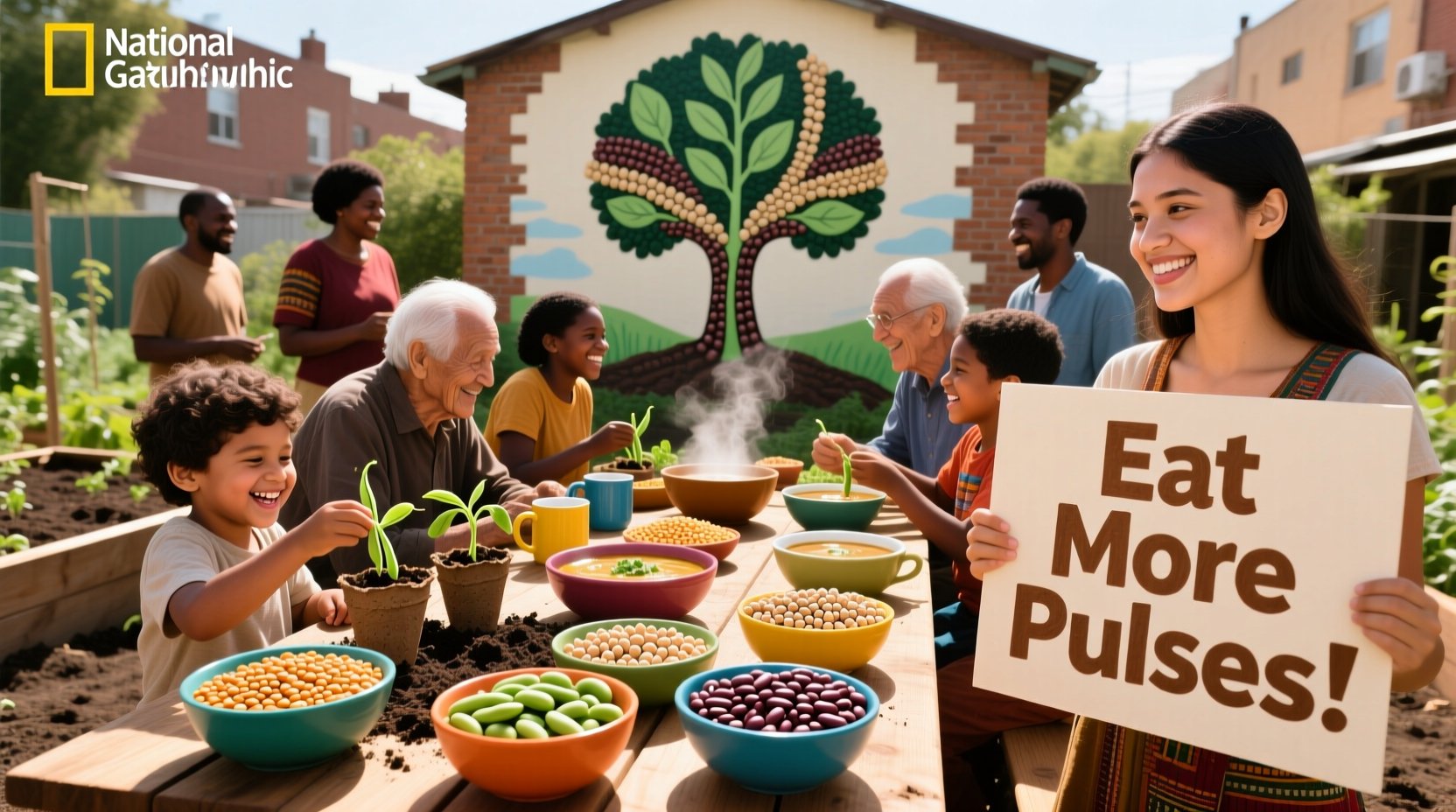
World Pulses Day, observed annually on February 10, is a vital United Nations initiative dedicated to raising awareness about the nutritional and environmental benefits of pulses—such as lentils, chickpeas, beans, and peas. Recognized officially through UN Resolution A/RES/73/251, this international day highlights how these humble legumes can play a transformative role in achieving food security, improving health outcomes, and promoting sustainable agriculture worldwide 💚. With growing concerns over climate change, malnutrition, and resource scarcity, pulses offer a powerful, plant-based solution that supports both people and the planet.
As part of the broader global effort to meet the Sustainable Development Goals (SDGs), particularly Zero Hunger (SDG 2) and Climate Action (SDG 13), World Pulses Day serves as a platform for governments, farmers, scientists, educators, and consumers to come together and advocate for greater pulse consumption and production. Unlike many resource-intensive crops, pulses require minimal water, enrich soil through nitrogen fixation, and provide high-quality protein at low cost—making them indispensable in both developed and developing nations alike.
The journey toward establishing World Pulses Day began with the success of the International Year of Pulses in 2016, which was declared by the United Nations to spotlight the importance of leguminous crops in global food systems. That year-long campaign generated widespread momentum, engaging stakeholders from over 70 countries and leading to increased research funding, policy development, and public education around pulse cultivation and consumption.
Building on this foundation, the Government of Bangladesh took the lead in proposing an annual observance to sustain the dialogue and action initiated during the International Year. Their proposal gained broad support across regional groups within the UN General Assembly, culminating in the adoption of Resolution A/RES/73/251 on December 20, 2018. This landmark resolution formally designated February 10 as World Pulses Day, ensuring that the conversation about pulses would continue year after year.
The date itself holds symbolic significance—it commemorates the day when the resolution was adopted, reinforcing the power of multilateral cooperation in addressing pressing global challenges. Since its inception, World Pulses Day has been marked by events ranging from academic conferences and cooking demonstrations to farmer field days and school nutrition programs, all aimed at showcasing the versatility and value of pulses.
The primary purpose of World Pulses Day is threefold: to promote the nutritional advantages of pulses, to encourage sustainable farming practices, and to strengthen market access for smallholder farmers who grow these essential crops. Each of these objectives addresses critical gaps in today’s global food system.
Pulses are rich in protein, fiber, complex carbohydrates, and essential micronutrients such as iron, folate, and potassium, while being low in fat and free of cholesterol. They are especially important in vegetarian and plant-forward diets, offering an affordable alternative to animal proteins. Regular consumption of pulses has been linked to reduced risks of chronic diseases including heart disease, type 2 diabetes, and obesity.
One of the most remarkable features of pulses is their ability to fix atmospheric nitrogen into the soil, reducing the need for synthetic fertilizers and enhancing soil fertility naturally. This process not only lowers greenhouse gas emissions but also improves crop rotation systems, helping prevent soil degradation. Additionally, pulses have one of the lowest water footprints among protein sources—one kilogram of pulses requires approximately 1,250 liters of water compared to 13,000 liters for the same amount of beef.
In many developing regions, pulses are cultivated by millions of small-scale farmers, particularly women. By increasing demand and creating stable markets for pulses, World Pulses Day helps improve livelihoods and reduce rural poverty. It also encourages investment in post-harvest infrastructure, storage technologies, and fair trade practices that benefit local economies.
| Nutrient | Chickpeas (per 100g) | Lentils (per 100g) | Black Beans (per 100g) |
|---|---|---|---|
| Protein | 19g | 25g | 21g |
| Dietary Fiber | 17g | 11g | 16g |
| Iron | 4.3mg | 7.5mg | 5.8mg |
| Water Footprint (liters/kg) | 5,500 | 1,250 | 3,600 |
Since its official recognition, World Pulses Day has inspired diverse activities across continents, reflecting the cultural richness and culinary diversity associated with pulses. From Canada’s “Pulse Month” celebrations to India’s national recipe contests featuring traditional dal dishes, communities are finding creative ways to engage the public.
International organizations such as the Food and Agriculture Organization (FAO), the World Food Programme (WFP), and non-governmental bodies like the Global Pulse Confederation also play key roles in amplifying the message. They publish reports, host webinars, and support policy dialogues that connect science, tradition, and innovation.
World Pulses Day is more than just a calendar event—it is a call to action for transforming our food systems toward greater equity, resilience, and sustainability. As we face unprecedented challenges related to climate change, population growth, and dietary imbalances, pulses stand out as a simple yet profoundly effective tool for positive change. Their dual role as nutrient-dense foods and eco-friendly crops makes them central to building a world where no one goes hungry and natural resources are preserved for future generations.
By integrating more pulses into our diets, supporting farmers who grow them, and advocating for policies that prioritize sustainable agriculture, each of us can contribute to this global movement. Whether you’re a consumer, educator, policymaker, or chef, there’s a place for you in the celebration of World Pulses Day.
To learn more about how you can get involved, explore educational resources, or participate in upcoming events, visit the official United Nations page for World Pulses Day. Together, let’s harness the power of pulses to nourish people and protect the planet—one bean at a time. 🌱