Address
304 North Cardinal St.
Dorchester Center, MA 02124
Work Hours
Monday to Friday: 7AM - 7PM
Weekend: 10AM - 5PM
Address
304 North Cardinal St.
Dorchester Center, MA 02124
Work Hours
Monday to Friday: 7AM - 7PM
Weekend: 10AM - 5PM


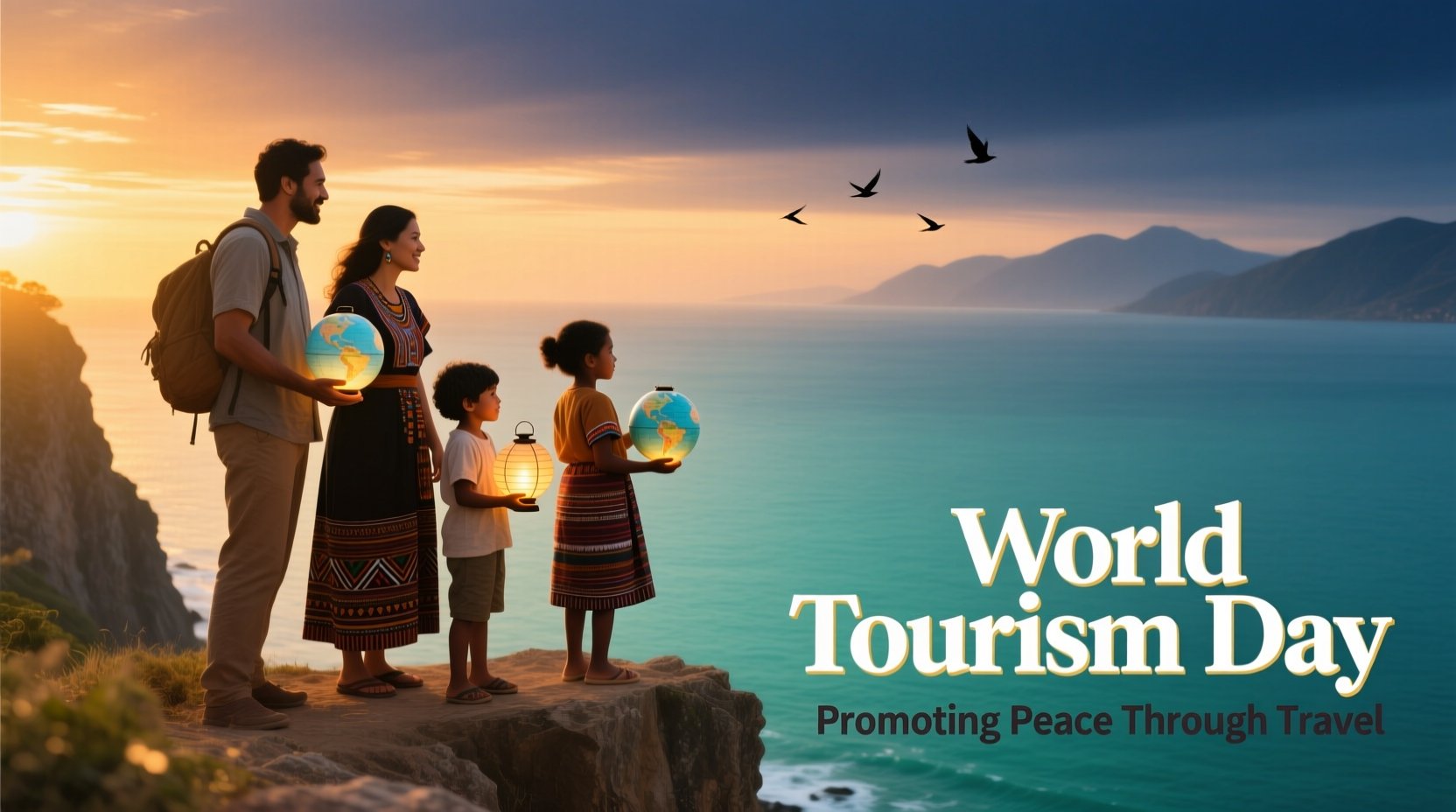
Every year on September 27, the world unites to celebrate World Tourism Day, a powerful reminder of how travel connects cultures, drives economic growth, and promotes sustainable development. Organized by the United Nations World Tourism Organization (UNWTO), this international observance highlights the transformative power of tourism across societies. With the theme changing annually to reflect pressing global issues—from climate action to cultural preservation—World Tourism Day serves as both a celebration and a call to action. In 2024, the focus is on “Tourism and Peace,” emphasizing how responsible travel can foster mutual understanding and global harmony.
This day not only honors the industry’s contributions but also draws attention to its challenges, including environmental impact, over-tourism, and equitable access. As one of the most dynamic and resilient sectors worldwide, tourism accounts for over 10% of global GDP and supports one in ten jobs. By spotlighting innovation, inclusivity, and sustainability, World Tourism Day encourages governments, businesses, and travelers alike to rethink how we explore our planet. Let’s dive into the rich history, purpose, and global impact of this important UN-recognized event.
World Tourism Day traces its roots back to 1980, when the United Nations World Tourism Organization (UNWTO) officially established the annual observance. The date, September 27, was carefully chosen to coincide with the end of the northern hemisphere’s peak summer travel season and the beginning of autumn—a symbolic moment of transition that reflects tourism’s seasonal rhythms. Since its inception, the day has grown from a modest recognition within the travel sector to a globally celebrated event involving over 150 countries.
The idea was first proposed during the UNWTO General Assembly in 1979, inspired by the belief that tourism could be a vehicle for peace, cultural exchange, and socioeconomic advancement. The inaugural celebration took place in 1980 with the theme “Tourism: A Vital Force for World Peace.” This foundational message continues to resonate today, especially as geopolitical tensions and climate crises underscore the need for cross-border cooperation.
Over the decades, World Tourism Day has embraced evolving themes that mirror global priorities:
| Year | Theme | Focus Area |
|---|---|---|
| 2020 | Tourism and Rural Development | Empowering remote communities |
| 2021 | Tourism for Inclusive Growth | Social equity and job creation |
| 2022 | Rethinking Tourism | Sustainability and innovation |
| 2023 | Visit the World, Heal the World | Mental well-being through travel |
| 2024 | Tourism and Peace | Conflict resolution and dialogue |
Each year, a different country hosts the official celebrations, allowing diverse cultural expressions and policy discussions to take center stage. For example, in 2023, Saudi Arabia hosted the event in Riyadh, showcasing its Vision 2030 transformation and growing role in global tourism. These rotating host nations help decentralize the narrative, ensuring that voices from the Global South and emerging economies are heard.
The core mission of World Tourism Day is threefold: to raise awareness about tourism’s socio-economic value, promote sustainable practices, and advocate for inclusive policies. It acts as a platform where stakeholders—from policymakers to grassroots entrepreneurs—can align efforts toward a more responsible and equitable travel industry.
Economic Empowerment: Tourism is a lifeline for millions, particularly in developing nations. According to the UNWTO, international tourist arrivals reached 1.4 billion in 2019 before the pandemic disrupted travel. As the sector rebounds, it continues to generate vital income for small businesses, artisans, and local guides. In countries like Nepal, Cambodia, and Costa Rica, tourism revenues directly fund education, healthcare, and infrastructure projects.
Environmental Stewardship: With rising concerns about carbon emissions and biodiversity loss, World Tourism Day champions eco-friendly travel. Initiatives like “Green Destinations” and “Carbon-Neutral Travel” are gaining traction, supported by campaigns launched during the observance. National parks, marine reserves, and indigenous territories benefit from tourism-funded conservation programs, proving that travel can protect rather than exploit nature.
Cultural Preservation: One of the most profound impacts of tourism is its ability to safeguard intangible heritage. From traditional dances in Bali to storytelling rituals in Botswana, cultural tourism helps keep ancestral knowledge alive. World Tourism Day encourages travelers to engage respectfully with local customs, supporting authenticity over commercialization.
Moreover, the day amplifies underrepresented voices. Women, youth, and marginalized communities often face barriers in accessing tourism opportunities. Annual themes have increasingly focused on inclusion, urging the industry to adopt fair hiring practices, accessible infrastructure, and community-led tourism models.
World Tourism Day is not just a top-down initiative—it thrives on grassroots energy and creative expression. Across continents, cities organize festivals, free museum entries, guided heritage walks, and sustainability workshops. Governments use the occasion to announce new policies, such as visa reforms or green transportation investments.
In Europe, nations like Spain and Greece highlight their UNESCO World Heritage sites with special tours and digital exhibitions. Meanwhile, African countries such as Kenya and Rwanda promote wildlife safaris and eco-lodges, linking tourism to conservation success stories. In Asia, Japan celebrates with tea ceremonies and samurai reenactments, while India organizes rural homestay promotions to boost domestic tourism.
Private sector involvement is equally robust. Major airlines, hotel chains, and online travel agencies launch limited-time offers, donate portions of sales to social causes, or pledge carbon offsets. Airbnb, for instance, has partnered with UNWTO to promote “Experiences” led by local hosts, ensuring economic benefits stay within communities.
Non-governmental organizations and educational institutions also play a key role. Universities host symposiums on sustainable tourism, while NGOs run campaigns to combat exploitative practices like orphanage tourism or animal abuse in entertainment. Social media amplifies these efforts, with hashtags like #WorldTourismDay and #TravelForGood trending globally.
The diversity of participation underscores a shared truth: tourism is everyone’s business. Whether you’re a backpacker, policymaker, or hotel worker, your choices shape the industry’s future.
World Tourism Day is far more than an annual event—it is a movement toward a more connected, compassionate, and sustainable world. By celebrating the positive impacts of travel while confronting its challenges, this international day empowers individuals and institutions to make ethical choices. As climate change accelerates and cultural homogenization threatens local identities, the principles of responsible tourism have never been more urgent.
The 2024 theme, “Tourism and Peace,” reminds us that every journey can be a step toward understanding. When we visit another country, we don’t just see landmarks—we meet people, hear stories, and break down stereotypes. That human connection is the foundation of lasting peace.
To learn more about how you can contribute to a better tourism future, visit the official United Nations website for World Tourism Day. Explore resources, join global campaigns, and discover how your next trip can support communities, protect ecosystems, and promote dialogue. Together, we can ensure that tourism remains a force for good—for generations to come. 🌏✨