Address
304 North Cardinal St.
Dorchester Center, MA 02124
Work Hours
Monday to Friday: 7AM - 7PM
Weekend: 10AM - 5PM
Address
304 North Cardinal St.
Dorchester Center, MA 02124
Work Hours
Monday to Friday: 7AM - 7PM
Weekend: 10AM - 5PM


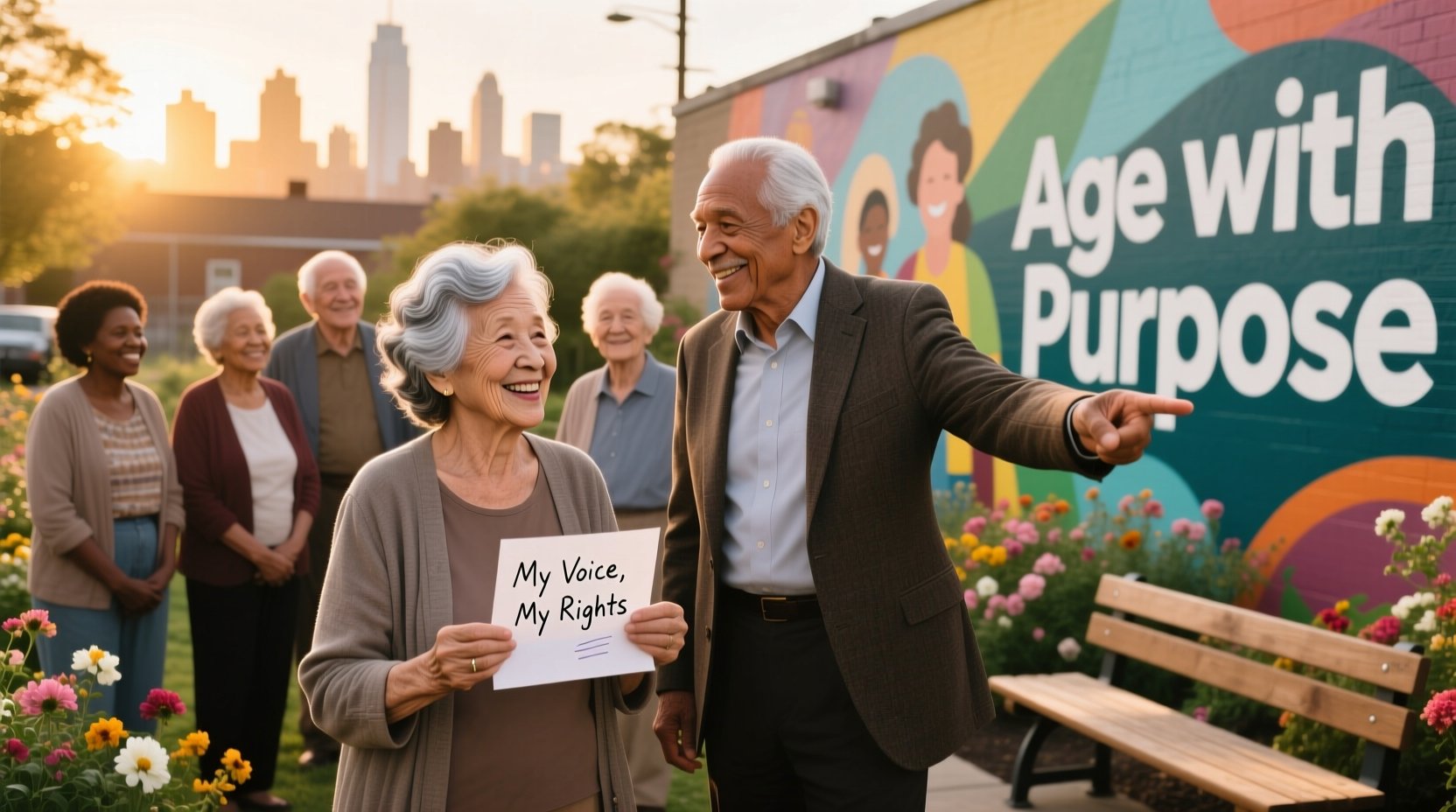
The International Day of Older Persons, observed annually on October 1st, stands as a global tribute to the invaluable contributions of older adults to society 🌍. Established by the United Nations General Assembly through Resolution A/RES/45/106, this day not only celebrates aging but also advocates for the rights, dignity, and well-being of people aged 60 and above. As populations age worldwide, especially in developed nations and increasingly in developing regions, understanding and supporting older persons has never been more critical 💡.
This commemorative day serves as a powerful reminder that aging is not a burden but a natural phase of life rich with experience, resilience, and wisdom. With over 1 billion people aged 60+ globally projected by 2030 (WHO), the importance of policies promoting healthy and active aging is paramount. The official observance at https://www.un.org/en/observances/older-persons-day provides resources, campaign themes, and tools for governments, organizations, and individuals to take meaningful action.
The roots of the International Day of Older Persons trace back to December 14, 1990, when the United Nations General Assembly adopted Resolution A/RES/45/106. This landmark decision designated October 1st as an annual day to recognize the role of older persons in societal development and to highlight the need for international cooperation in addressing challenges related to aging 👵👴.
Prior to this resolution, discussions around aging were often fragmented or absent from global policy agendas. However, growing demographic shifts—particularly the rising proportion of older adults due to increased life expectancy and declining fertility rates—spurred the UN to act. The adoption of this resolution coincided with broader efforts such as the United Nations Principles for Older Persons (1991), which outlined key areas including independence, participation, care, self-fulfillment, and dignity.
Since its inception, the day has evolved into a dynamic platform for advocacy, education, and intergenerational dialogue. Each year, the UN selects a thematic focus reflecting current global priorities—from digital inclusion to health equity, from combating ageism to ensuring economic security in old age. These themes guide events, campaigns, and policy discussions across continents.
| Year | Key Development |
|---|---|
| 1991 | UN launches Principles for Older Persons |
| 2002 | Second World Assembly on Ageing adopts Madrid International Plan of Action on Ageing |
| 2013 | Launch of the UN Decade of Healthy Ageing (2021–2030) initiative begins shaping |
| 2021 | Official start of the UN Decade of Healthy Ageing, reinforcing the Day’s relevance |
| 2023 | Theme: “Ageing with Dignity: Realizing Rights and Choices” emphasizes legal protections |
The primary purpose of the International Day of Older Persons is threefold: to celebrate the achievements of older adults, to raise awareness about issues affecting them, and to mobilize support for policies that ensure their full inclusion in society ❤️. It acts as both a mirror and a catalyst—reflecting existing inequalities while inspiring change.
One of the most significant impacts of this observance is its role in challenging ageism, a deeply entrenched form of discrimination that affects employment opportunities, healthcare access, and social engagement. According to the World Health Organization, nearly 1 in 2 people hold ageist attitudes, undermining the potential of older populations. By spotlighting these biases, the Day fosters public discourse and encourages institutions to adopt anti-ageism frameworks.
Beyond awareness, the Day drives tangible outcomes. Governments use it as an opportunity to launch new programs—such as pension reforms, elder abuse prevention initiatives, or accessible urban planning. Nonprofits organize community events like intergenerational storytelling sessions, health fairs, and technology training workshops tailored for seniors.
In recent years, the integration of technology has amplified impact. Virtual conferences, webinars, and social media campaigns have enabled wider reach, allowing voices from remote communities to be heard on global platforms. For instance, during the 2020 observance amid the pandemic, the UN hosted online dialogues focusing on the disproportionate impact of COVID-19 on older persons, leading to improved guidelines for protecting vulnerable elders in crises.
The International Day of Older Persons unites countries across every continent, demonstrating a shared commitment to dignity and inclusion in aging. From government-led ceremonies in capital cities to grassroots gatherings in rural villages, the diversity of celebrations reflects local cultures while aligning with universal values.
In Japan, one of the world’s most aged societies (with over 28% of its population aged 65+), municipalities host “Respect for the Aged Day” festivities that coincide with the UN observance, featuring gift-giving, performances, and recognition of centenarians. In Kenya, NGOs partner with local leaders to conduct mobile health clinics and legal aid sessions for elderly citizens in underserved areas.
European nations such as Germany and Sweden emphasize innovation in aging, showcasing smart home technologies and age-friendly city designs during this week. Meanwhile, in Brazil, youth groups engage in “Adopt a Grandparent” programs, building emotional bridges between generations.
| Country/Region | Initiative | Impact |
|---|---|---|
| Canada | National Seniors Strategy launched during IDOP week | Improved coordination of services for older adults |
| India | “Vayoshreshtha Samman” awards honor exceptional elders | Increased visibility of senior contributions |
| European Union | Funding for AGE Platform Europe’s campaigns | Policy influence on EU-level aging strategies |
| Australia | “Be Elder Wise” public education program | Reduced stigma around cognitive decline |
International organizations, faith-based groups, academic institutions, and private sector actors also play vital roles. Companies are increasingly recognizing the value of older workers and consumers, launching inclusive hiring practices and age-responsive product designs. Universities contribute through gerontology research and hosting symposia on aging futures.
The International Day of Older Persons is far more than a symbolic gesture—it is a call to action rooted in justice, compassion, and foresight. As global demographics continue to shift, how we treat our older citizens today will define the legacy we leave for future generations. This day reminds us that aging should not mean marginalization; instead, it should represent continued contribution, connection, and respect 💖.
By advancing policies that protect rights, eliminate discrimination, and promote lifelong well-being, we build societies where everyone—regardless of age—can thrive. Whether through volunteering, advocating for better elder care, or simply listening to the stories of older family members, each of us can contribute to this mission.
To learn more about how you can get involved, explore educational materials, or stay updated on annual themes and events, visit the official United Nations page for this important observance: International Day of Older Persons. Together, let’s honor the past, empower the present, and shape a more inclusive future for all ages. 🌐👵👴