Address
304 North Cardinal St.
Dorchester Center, MA 02124
Work Hours
Monday to Friday: 7AM - 7PM
Weekend: 10AM - 5PM
Address
304 North Cardinal St.
Dorchester Center, MA 02124
Work Hours
Monday to Friday: 7AM - 7PM
Weekend: 10AM - 5PM


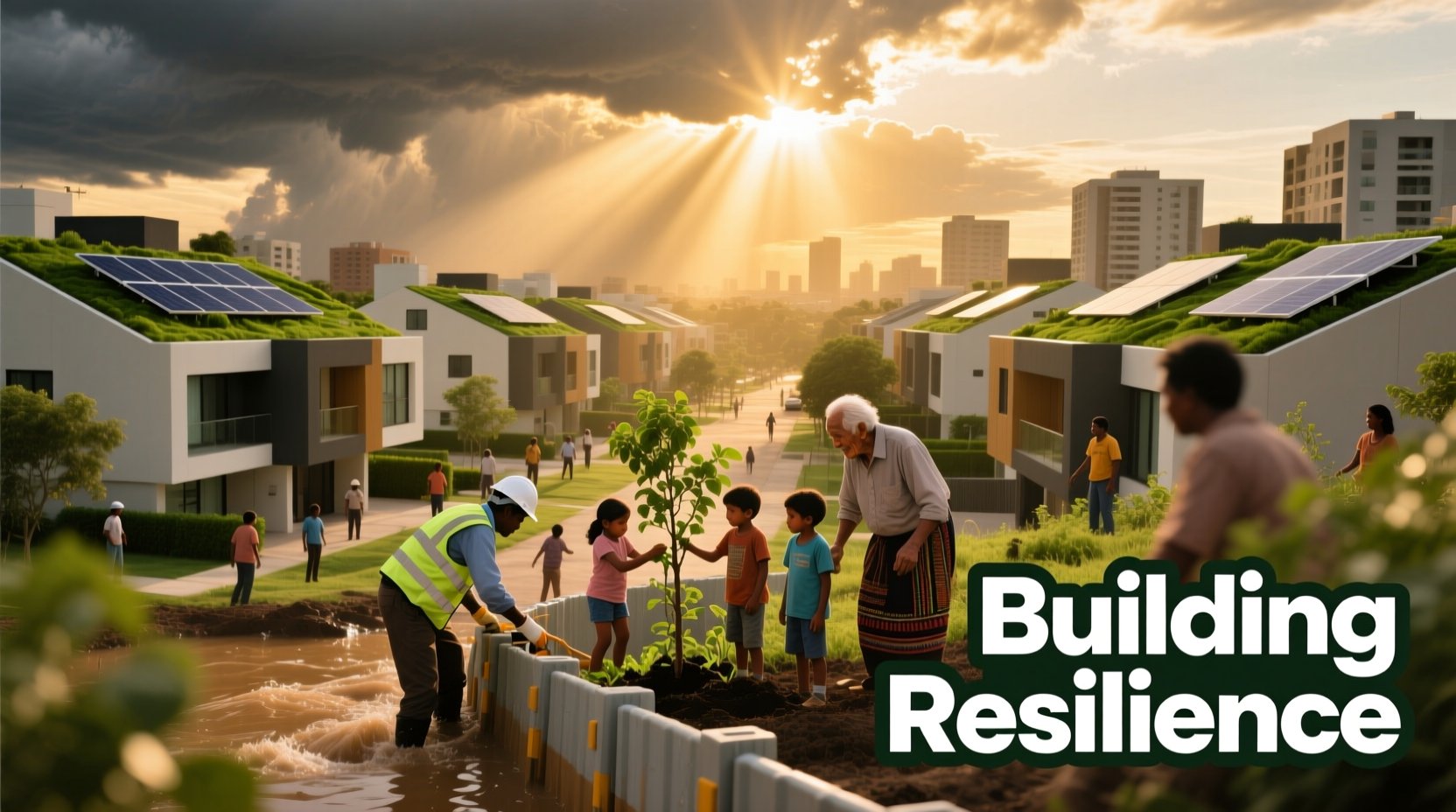
The International Day for Disaster Risk Reduction is observed annually on October 13 to promote a global culture of disaster risk awareness and reduction. Established by the United Nations General Assembly through resolution A/RES/64/200, this day highlights the importance of reducing exposure to hazards, decreasing vulnerability, and managing land use and ecosystems sustainably. In an era increasingly defined by climate change, urbanization, and environmental degradation, disasters—both natural and human-induced—are becoming more frequent and severe. This observance serves as a critical reminder that proactive planning, resilient infrastructure, and inclusive policies can save lives, protect livelihoods, and ensure sustainable development.
Each year, the International Day for Disaster Risk Reduction focuses on a specific theme aligned with the Sendai Framework for Disaster Risk Reduction 2015–2030—the international blueprint guiding global efforts in minimizing disaster losses. From empowering women and girls to investing in early warning systems, the themes reflect evolving priorities in building community resilience. As we face rising sea levels, extreme weather events, and pandemics, understanding how to reduce disaster risks isn’t just a policy issue—it’s a matter of survival and equity.
The roots of the International Day for Disaster Risk Reduction trace back to the International Decade for Natural Disaster Reduction (IDNDR), which ran from 1990 to 1999. During this period, the UN sought to coordinate global scientific and policy efforts to mitigate the impact of earthquakes, floods, hurricanes, and other natural hazards. Although progress was made, it became clear that long-term commitment beyond a single decade was necessary.
In December 2009, the United Nations General Assembly adopted Resolution A/RES/64/200, officially designating October 13 as the International Day for Disaster Risk Reduction. The resolution emphasized the need for sustained international cooperation and called upon governments, civil society, the private sector, and individuals to strengthen disaster preparedness at all levels.
Since its inception, the day has evolved into a platform for sharing best practices, showcasing innovative technologies, and advocating for stronger governance in disaster management. It also aligns closely with the Sustainable Development Goals (SDGs), particularly SDG 11 (Sustainable Cities and Communities) and SDG 13 (Climate Action), reinforcing the interconnected nature of risk reduction and global development.
| Year | Event | Significance |
|---|---|---|
| 1990–1999 | International Decade for Natural Disaster Reduction (IDNDR) | Laid groundwork for coordinated global action on disaster mitigation. |
| 2005 | Hyogo Framework for Action (HFA) adopted | First major global plan to reduce disaster losses; guided policy until 2015. |
| 2009 | UN Resolution A/RES/64/200 passed | Established October 13 as official International Day for Disaster Risk Reduction. |
| 2015 | Sendai Framework adopted at World Conference in Japan | Set global targets for reducing disaster mortality, affected people, economic loss, and damage to critical infrastructure. |
| 2023 | Focus on Fighting Inequality for a Resilient Future | Highlighted disparities in disaster risk and access to resources among marginalized groups. |
The primary purpose of the International Day for Disaster Risk Reduction is to raise awareness about how communities, nations, and institutions can prevent new risks and reduce existing ones. Unlike emergency response—which occurs after a disaster strikes—disaster risk reduction (DRR) focuses on prevention, preparedness, and mitigation. This shift from reactive to proactive strategies is essential for saving lives and protecting economies.
According to the UN Office for Disaster Risk Reduction (UNDRR), between 2000 and 2019, there were 7,348 recorded natural disasters globally, affecting over 4 billion people and causing approximately $2.97 trillion in economic losses. However, countries that have invested in DRR measures—such as early warning systems, resilient housing, and land-use planning—have seen significant reductions in casualties and damages.
One notable example of impact comes from Bangladesh, where cyclone preparedness programs—including early warning dissemination and evacuation drills—reduced fatalities during Cyclone Amphan in 2020 despite its massive scale. Similarly, Japan’s earthquake-resistant buildings and tsunami alert systems have significantly minimized loss of life compared to less-prepared regions.
The annual themes of the day further deepen its relevance. For instance, the 2022 theme—Action Today for Resilience Tomorrow—urged immediate investments in DRR as part of national budgets and development plans. The 2023 focus on inequality underscored how poverty, gender discrimination, and lack of access to technology increase vulnerability during crises.
Every year on October 13, governments, NGOs, schools, businesses, and citizens around the world organize events to mark the International Day for Disaster Risk Reduction. These include public forums, school drills, media campaigns, exhibitions, and policy roundtables. The UN encourages participation through digital toolkits, social media challenges (#DRRDay), and recognition awards such as the Sasakawa Award for outstanding achievements in disaster reduction.
National platforms for disaster risk reduction have been established in over 130 countries, fostering multi-stakeholder collaboration. Regional initiatives like the European Union Civil Protection Mechanism, the African Union’s Continental Early Warning System, and the Caribbean Disaster Emergency Management Agency (CDEMA) exemplify regional solidarity in facing shared threats.
| Country/Region | Initiative | Outcome |
|---|---|---|
| Nepal | School Safety Program | Over 10,000 teachers trained; retrofitting of earthquake-prone schools completed. |
| Philippines | Project NOAH (Nationwide Operational Assessment of Hazards) | Real-time flood forecasting system improved early warnings and evacuations. |
| Germany | Urban Climate Adaptation Plans in major cities | Green roofs, permeable pavements, and heatwave response strategies implemented. |
| Fiji | Relocation of coastal villages due to sea-level rise | Community-led resettlement with climate-resilient housing designs. |
| Kenya | Drought Early Warning System using satellite data | Enabled timely food aid distribution and livestock protection measures. |
Private sector involvement is also growing. Companies are integrating disaster resilience into supply chain management, employee safety protocols, and corporate social responsibility (CSR) programs. Tech firms contribute by developing AI-powered prediction models, mobile apps for alerts, and drone-based damage assessments.
The International Day for Disaster Risk Reduction is far more than a symbolic observance—it is a vital catalyst for change in how humanity prepares for and responds to crises. As climate change accelerates and population pressures intensify, the cost of inaction grows exponentially. Investing in disaster risk reduction today means protecting homes, economies, and futures tomorrow.
This day reminds us that resilience is not built overnight but through consistent effort, inclusive policies, and global solidarity. Whether you’re a policymaker, educator, business leader, or concerned citizen, your role matters. Educate yourself, advocate for stronger building codes, support local preparedness drills, and demand accountability in climate and disaster planning.
To learn more about how you can get involved, visit the official United Nations page for the International Day for Disaster Risk Reduction. Explore resources, download educational materials, and join the global movement toward a safer, more resilient world. Together, we can turn risk into readiness and vulnerability into strength. 💪🌍