Address
304 North Cardinal St.
Dorchester Center, MA 02124
Work Hours
Monday to Friday: 7AM - 7PM
Weekend: 10AM - 5PM
Address
304 North Cardinal St.
Dorchester Center, MA 02124
Work Hours
Monday to Friday: 7AM - 7PM
Weekend: 10AM - 5PM


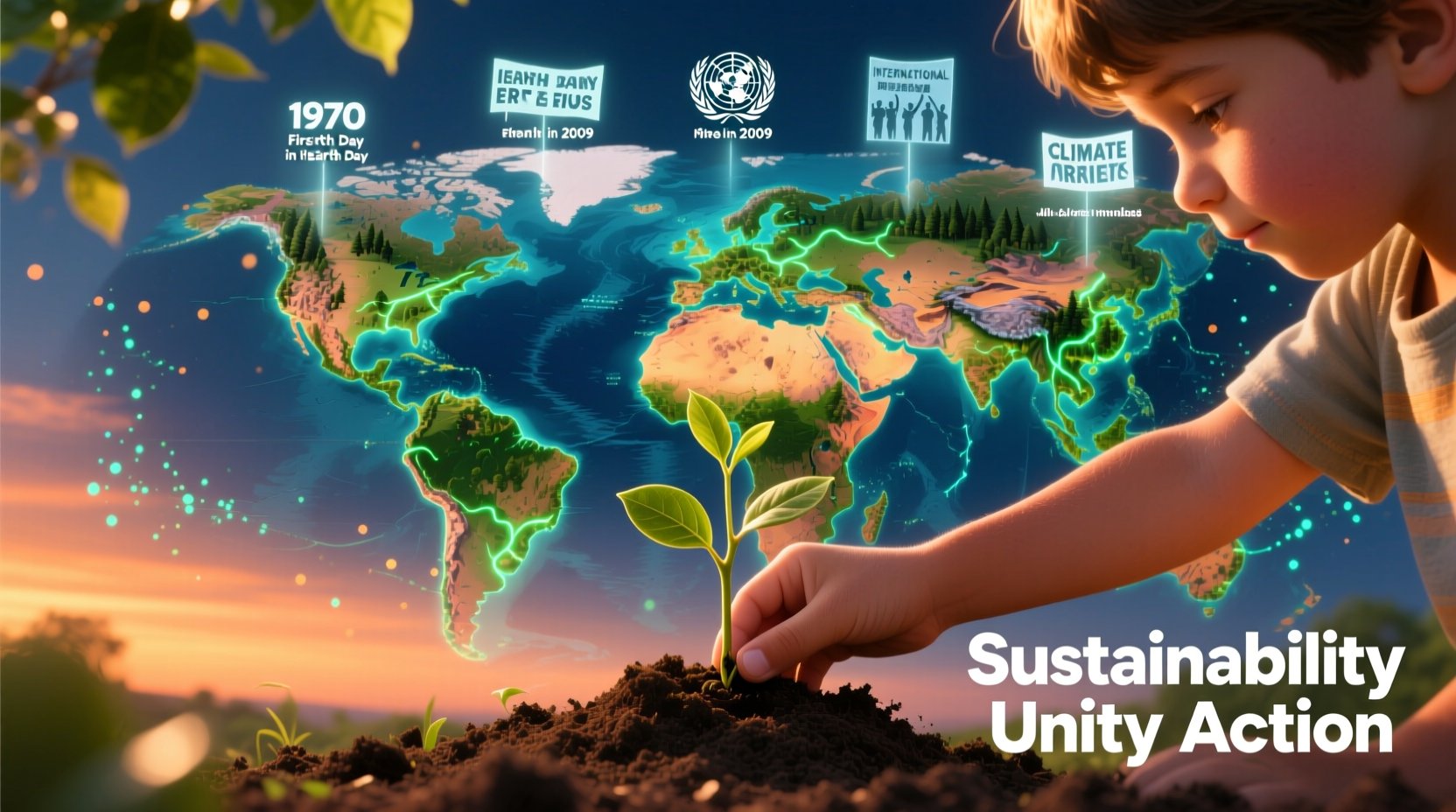
Every year on April 22, people across the globe unite to celebrate International Mother Earth Day, a powerful reminder of our collective responsibility to protect the planet we all call home. Recognized officially by the United Nations through Resolution A/RES/63/278, this day emphasizes the interconnectedness of human beings, ecosystems, and the natural world. More than just an environmental awareness campaign, International Mother Earth Day calls for transformative action to address climate change, biodiversity loss, pollution, and unsustainable development practices.
The essence of this observance lies in its name: “Mother Earth.” This term reflects deep cultural, spiritual, and scientific recognition that the Earth is not merely a resource to be exploited, but a living system that sustains all life. From indigenous wisdom to modern ecological science, societies increasingly acknowledge that planetary health is inseparable from human well-being. As climate emergencies intensify and species vanish at unprecedented rates, the urgency behind this international day has never been greater.
The story of International Mother Earth Day begins long before its formal adoption by the UN. The modern environmental movement gained momentum in the late 1960s and early 1970s, sparked by growing public concern over industrial pollution, deforestation, and toxic waste. One pivotal moment was the first Earth Day, held on April 22, 1970, in the United States. Organized by Senator Gaylord Nelson, it mobilized over 20 million Americans—about 10% of the population at the time—in demonstrations for environmental protection.
This grassroots energy led to landmark legislation such as the creation of the U.S. Environmental Protection Agency and the passage of the Clean Air Act and Endangered Species Act. Over the decades, Earth Day evolved into a global phenomenon, with participation spreading to over 140 countries by the 1990s.
The formal recognition by the United Nations came on December 22, 2009, when the General Assembly adopted Resolution A/RES/63/278, declaring April 22 as International Mother Earth Day. This resolution acknowledged that “the Earth and its ecosystems are our common home” and emphasized the need for a balanced relationship between humanity and nature. Unlike earlier observances, the UN version specifically uses the term “Mother Earth,” reflecting a more holistic, inclusive worldview that honors traditional knowledge systems, particularly those of Indigenous peoples who have long revered the Earth as a sacred entity.
The resolution also invited member states, organizations, and individuals to promote environmental awareness and education, laying the foundation for coordinated global action.
The core purpose of International Mother Earth Day is threefold: to raise awareness about environmental challenges, to inspire sustainable behaviors, and to advocate for systemic policy changes. It serves as both a mirror and a catalyst—reflecting the damage we’ve inflicted on the planet while motivating solutions rooted in equity, innovation, and intergenerational justice.
One of the most significant impacts of this day is its ability to unify diverse stakeholders—from schoolchildren planting trees to multinational corporations announcing green initiatives—around a shared mission. Each year, the day adopts a specific theme to focus global attention on pressing issues:
| Year | Theme | Key Focus |
|---|---|---|
| 2020 | Climate Action | Marked the 50th anniversary; emphasized urgent decarbonization |
| 2021 | Restore Our Earth™ | Natural solutions, reforestation, green technologies |
| 2022 | Invest In Our Planet | Business accountability and green finance |
| 2023 | Planet vs. Plastics | Targeted 60% reduction in plastic production by 2040 |
| 2024 | End Plastic Pollution | Global treaty negotiations and consumer behavior change |
Beyond symbolism, International Mother Earth Day drives measurable outcomes. For example, the 2023 campaign contributed to the momentum behind the UN Environment Assembly’s decision to begin negotiating a legally binding treaty to end plastic pollution. Similarly, educational programs launched on this day reach millions of students worldwide, fostering a new generation of eco-conscious citizens.
Moreover, governments often use this occasion to announce national sustainability targets. In 2021, several countries reaffirmed their net-zero commitments ahead of COP26, aligning their policies with the spirit of the day. NGOs launch large-scale clean-up campaigns, tree-planting drives, and advocacy efforts that extend far beyond April 22.
What makes International Mother Earth Day truly remarkable is its universal appeal and decentralized nature. Unlike top-down mandates, this observance thrives on local initiative and cultural adaptation. From urban centers to remote villages, communities interpret the day in ways that reflect their unique environments and traditions.
In India, schools organize ‘Green Pledges’ where children commit to reducing waste and conserving water. In Kenya, community groups lead reforestation projects in degraded landscapes. In Brazil, Indigenous leaders hold ceremonies honoring Pachamama (Mother Earth), blending ancestral rituals with contemporary activism. Meanwhile, cities like Paris, Tokyo, and New York host eco-fairs, bike parades, and digital campaigns promoting sustainable lifestyles.
Digital engagement has amplified the day’s reach exponentially. Social media platforms light up with hashtags like #EarthDay, #SaveOurPlanet, and #ActNow, connecting activists, educators, and policymakers across continents. Virtual events, webinars, and live-streamed protests ensure inclusivity, especially for those unable to participate physically.
Corporate involvement has also grown significantly. Major companies now publish sustainability reports on or around April 22, disclose carbon footprints, and pledge investments in renewable energy. While greenwashing remains a concern, increased transparency and public scrutiny have pushed many firms toward genuine environmental accountability.
The following table highlights key participants and their contributions:
| Stakeholder | Role in International Mother Earth Day | Example Initiative |
|---|---|---|
| Governments | Policy announcements, funding for green projects | Canada’s ban on single-use plastics (2022) |
| UN Agencies | Coordination, research, global campaigns | UNEP’s #BeatPlasticPollution |
| NGOs | Grassroots mobilization, education, advocacy | Greenpeace clean-up drives |
| Schools & Universities | Environmental education, student-led actions | Campus recycling competitions |
| Private Sector | Sustainable innovation, CSR programs | Apple’s commitment to carbon neutrality |
International Mother Earth Day is far more than an annual observance—it is a vital call to action for every individual, community, and nation. In a world grappling with climate crises, ecosystem collapse, and environmental injustice, this day reminds us that we are not separate from nature; we are part of it. The principles enshrined in UN Resolution A/RES/63/278 challenge us to rethink our values, reshape our economies, and rebuild our relationship with the planet.
The strength of this movement lies in its inclusivity and moral clarity. Whether you’re planting a garden, advocating for clean energy, or simply choosing to walk instead of drive, your actions contribute to a larger transformation. Education, innovation, and solidarity remain our most powerful tools in building a resilient, equitable, and sustainable future.
To learn more about how you can get involved, explore events in your region, or access educational resources, visit the official United Nations page for International Mother Earth Day. Together, we can honor our shared home—not just on April 22, but every day. 🌱