Address
304 North Cardinal St.
Dorchester Center, MA 02124
Work Hours
Monday to Friday: 7AM - 7PM
Weekend: 10AM - 5PM
Address
304 North Cardinal St.
Dorchester Center, MA 02124
Work Hours
Monday to Friday: 7AM - 7PM
Weekend: 10AM - 5PM


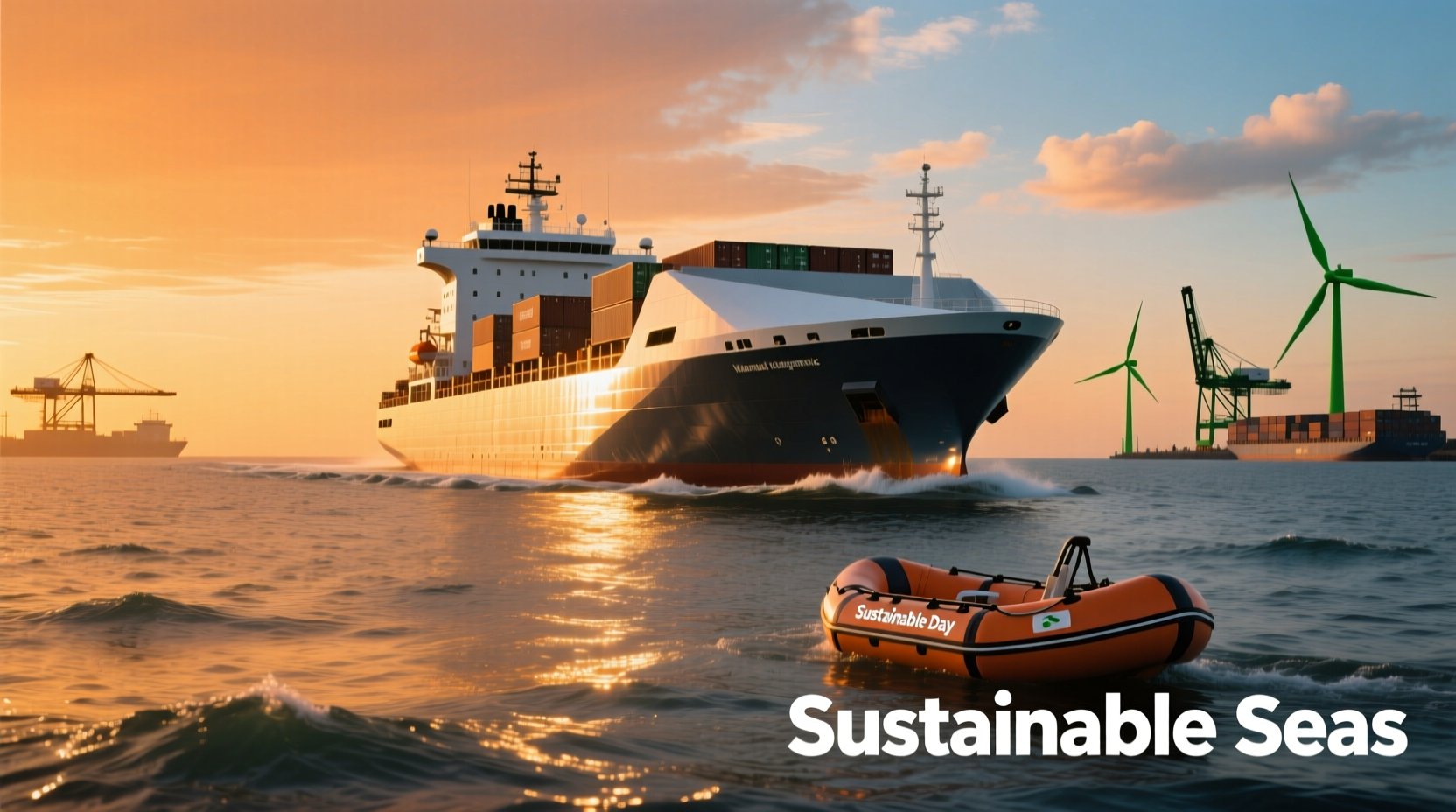
Every year, on the last Thursday of September, the world unites to observe World Maritime Day—a pivotal international observance established by the International Maritime Organization (IMO) to highlight the critical role of shipping in global trade, economic development, and environmental sustainability. This annual event not only honors the seafarers who power the backbone of international commerce but also emphasizes the urgent need for safe, secure, and environmentally sound maritime practices. With over 90% of global trade transported by sea, the importance of this day cannot be overstated. 🚢💼
As globalization continues to expand, maritime transport remains the most efficient and cost-effective method of moving goods across continents. From smartphones to food supplies, nearly every product we use has at some point traveled across the ocean. World Maritime Day serves as a timely reminder of the interconnectedness of nations through maritime routes and the shared responsibility to protect our oceans while ensuring the safety and well-being of those who work at sea.
The roots of World Maritime Day trace back to 1978, when the International Maritime Organization—a specialized agency of the United Nations responsible for regulating shipping—celebrated the 20th anniversary of its founding convention entering into force. To commemorate this milestone, the IMO officially designated a special day to recognize the vital contributions of the international maritime industry.
Since then, World Maritime Day has evolved into a globally recognized event, observed annually with ceremonies, educational programs, exhibitions, and conferences around the world. While the official date is set by the IMO Assembly, individual countries often choose to celebrate it on a convenient weekday, typically the last Thursday in September, to maximize participation from governments, port authorities, shipping companies, and civil society.
Each year, the event revolves around a specific theme chosen by the IMO Secretary-General, reflecting current challenges and priorities in the maritime sector. Recent themes have included “MARPOL at 50 – Our Commitment Goes Beyond” (2023), focusing on pollution prevention, and “Sustainable Shipping for a Sustainable Planet” (2020), underscoring the industry’s role in achieving the UN Sustainable Development Goals (SDGs).
The primary purpose of World Maritime Day is threefold: to raise awareness about the significance of maritime transport, to promote international cooperation in improving maritime safety and security, and to advocate for sustainable shipping practices that protect marine ecosystems. These objectives are more relevant than ever in an era marked by climate change, rising sea levels, and increasing demand for greener logistics solutions.
One of the most profound impacts of this observance is its ability to spotlight issues affecting seafarers—over 1.6 million of whom work on merchant vessels worldwide. These individuals often face challenging conditions, including long periods away from family, risks of piracy, and limited access to medical care. World Maritime Day amplifies their voices and calls for better labor protections, fair wages, and improved working conditions under frameworks like the Maritime Labour Convention (MLC).
Beyond human concerns, the day also drives innovation in clean maritime technologies. The IMO has set ambitious targets to reduce greenhouse gas emissions from ships by at least 50% by 2050 compared to 2008 levels. Events held during World Maritime Day serve as platforms for stakeholders to showcase advancements in alternative fuels (such as ammonia and hydrogen), energy-efficient ship designs, and digital navigation systems that minimize environmental impact.
To illustrate the scale of maritime influence, consider the following data:
| Metric | Value | Source |
|---|---|---|
| Global Trade Carried by Sea | Over 90% | UNCTAD Review of Maritime Transport 2023 |
| Total Number of Merchant Ships | Approx. 60,000 | IMO Statistics |
| Seafarers Employed Globally | 1.6 million+ | International Chamber of Shipping |
| CO₂ Emissions from Shipping (2022) | ~800 million tonnes | IMO GHG Study 2023 |
| IMO Target: Emission Reduction by 2050 | At least 50% | IMO Initial Strategy on GHG |
World Maritime Day is truly a global phenomenon, with participation spanning every continent. Governments, port administrations, academic institutions, non-governmental organizations, and private enterprises all play active roles in organizing events that educate the public and inspire action.
In Europe, countries like Norway, Greece, and the United Kingdom host maritime festivals, open days at naval museums, and panel discussions featuring industry leaders. In Asia, major shipping nations such as China, Japan, and Singapore launch nationwide campaigns promoting green ports and smart shipping technologies. African nations like Kenya and South Africa use the occasion to strengthen regional cooperation on combating illegal fishing and enhancing coastal surveillance.
International bodies beyond the IMO also contribute significantly. The International Labour Organization (ILO) collaborates on labor rights initiatives, while UNESCO supports efforts to preserve underwater cultural heritage. The United Nations Development Programme (UNDP) partners with developing countries to build capacity in maritime governance and disaster resilience.
Notably, the week surrounding World Maritime Day often includes Day of the Seafarer (June 25), further extending the focus on human elements within the maritime ecosystem. Social media campaigns using hashtags like #WorldMaritimeDay, #SafeSecureEfficientShipping, and #SeafarersAreKey have helped mobilize youth engagement and foster global solidarity.
Universities and research centers offer scholarships, webinars, and competitions focused on maritime law, oceanography, and engineering. Meanwhile, schools introduce students to careers at sea through interactive learning modules, helping bridge the knowledge gap between land-based communities and the vast maritime world.
World Maritime Day is far more than a ceremonial observance—it is a powerful catalyst for change in one of the world’s most essential yet often overlooked industries. By shining a light on the achievements and challenges of maritime transport, this international day fosters dialogue, innovation, and policy advancement that benefit both people and the planet.
From ensuring the smooth flow of global supply chains to protecting fragile marine environments, the maritime sector plays a central role in shaping a sustainable future. As consumers, citizens, and global stewards, we all have a stake in supporting safer, cleaner, and more equitable shipping practices.
To learn more about how you can get involved, explore educational resources, or stay updated on upcoming themes and events, we encourage you to visit the official United Nations website dedicated to this important cause. Discover how nations are collaborating to meet the challenges of the 21st-century seas by visiting World Maritime Day today. 🌐📘
Together, we can navigate toward a future where maritime excellence goes hand-in-hand with environmental responsibility and human dignity. Let us honor the waves that connect us—and the hands that steer them—with renewed commitment every World Maritime Day.