Address
304 North Cardinal St.
Dorchester Center, MA 02124
Work Hours
Monday to Friday: 7AM - 7PM
Weekend: 10AM - 5PM
Address
304 North Cardinal St.
Dorchester Center, MA 02124
Work Hours
Monday to Friday: 7AM - 7PM
Weekend: 10AM - 5PM


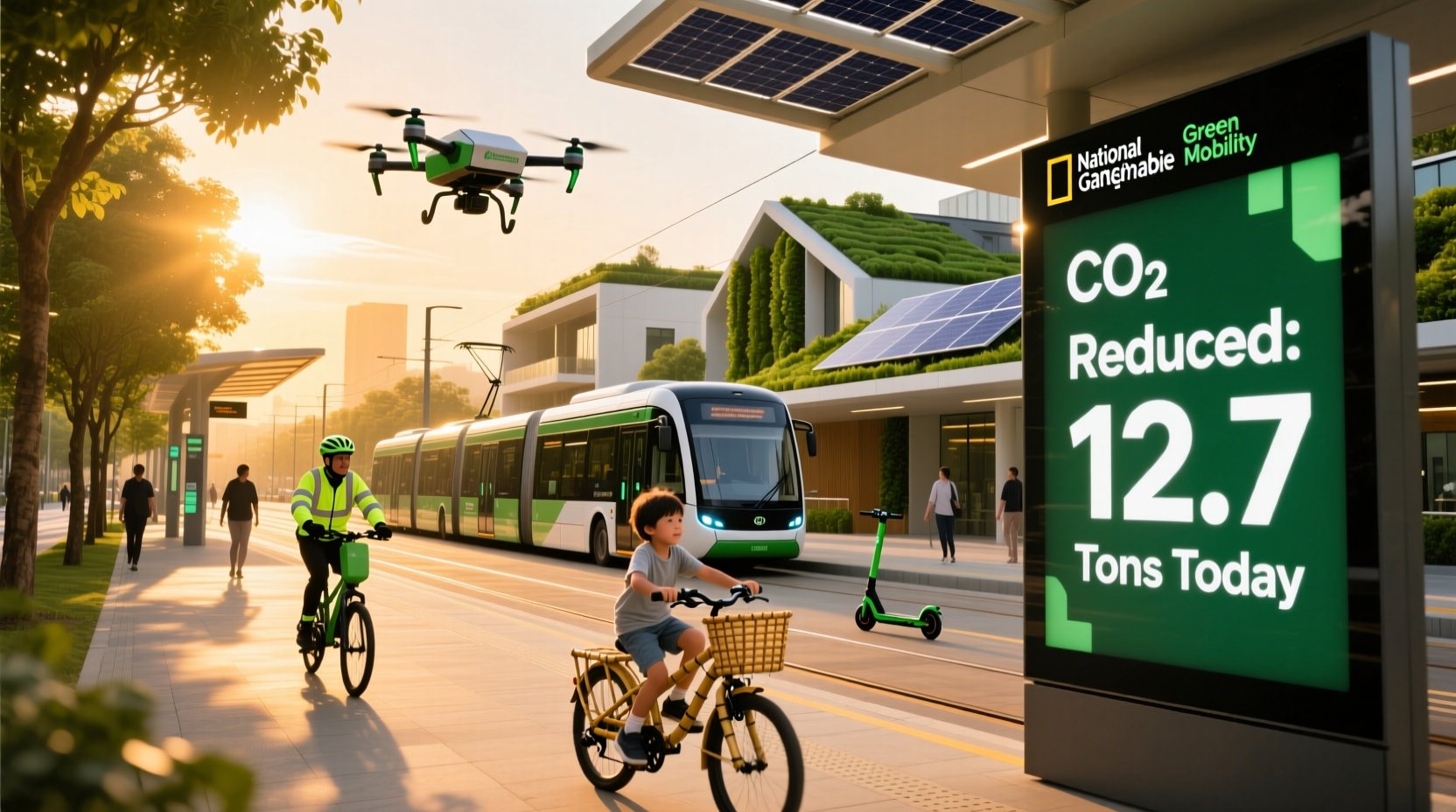
Every year on November 26, the world observes World Sustainable Transport Day, a global initiative established by the United Nations to highlight the critical role of sustainable mobility in achieving climate goals, reducing inequality, and fostering inclusive economic growth. As cities expand and global populations rise, transportation systems face unprecedented challenges—from pollution and congestion to energy inefficiency and social exclusion. This international day, officially recognized through UN General Assembly Resolution A/RES/77/286, calls for transformative action toward cleaner, safer, and more equitable transport solutions.
The significance of this day lies not only in raising awareness but also in mobilizing governments, private sectors, civil society, and individuals to rethink how people and goods move across the planet. With transportation accounting for nearly 24% of global CO₂ emissions from fuel combustion (IEA, 2023), shifting to sustainable models is no longer optional—it’s essential for planetary survival. World Sustainable Transport Day serves as both a mirror and a roadmap: reflecting current shortcomings while charting a path toward greener, smarter, and more resilient mobility systems.
The journey toward recognizing sustainable transport as a cornerstone of global development has been decades in the making. While early environmental summits like the 1992 Earth Summit in Rio de Janeiro touched upon sustainable development and infrastructure, it wasn’t until the adoption of the 2030 Agenda for Sustainable Development that transport gained formal attention—specifically under Sustainable Development Goal 11.2, which aims to provide access to safe, affordable, accessible, and sustainable public transport for all by 2030.
Further momentum built with the UN Conference on Sustainable Transport held in Beijing in October 2021—a landmark event that brought together over 140 countries to discuss innovation, equity, and decarbonization in mobility. It was during the follow-up processes to this conference that member states pushed for a dedicated annual observance. In May 2023, the UN General Assembly adopted Resolution A/RES/77/286, officially designating November 26 as World Sustainable Transport Day.
This resolution emphasizes the interconnectedness of transport with broader developmental objectives—including poverty reduction, gender equality, climate action, and urban resilience. By institutionalizing this day, the UN acknowledges that sustainable transport is not merely a technical issue but a cross-cutting enabler of peace, prosperity, and planetary health.
The primary purpose of World Sustainable Transport Day is threefold: to educate, to inspire policy change, and to accelerate innovation. Each year, the day focuses on a specific theme—such as zero-emission vehicles, active mobility (walking and cycling), or digitalization in transit—that guides global discussions and local actions.
One of the most tangible impacts of this observance is its ability to spotlight successful case studies. For example:
\li>Singapore: Smart traffic management systems and congestion pricing have significantly lowered vehicle emissions per capita.
Beyond showcasing best practices, the day influences national policies. Countries use the occasion to announce new commitments—such as phasing out internal combustion engines, expanding rail networks, or subsidizing e-mobility startups. International organizations like the World Bank and UN-Habitat often release reports or launch funding programs aligned with the day’s themes.
The ripple effect extends to communities and individuals. Schools organize eco-commuting challenges, NGOs host workshops on green logistics, and tech companies unveil prototypes for solar-powered ferries or hydrogen trains. These activities foster a culture of sustainability that transcends borders and sectors.
| Indicator | Global Status (2023) | Target by 2030 (SDG 11.2) |
|---|---|---|
| Urban Access to Public Transport | ~55% of urban population | Universal access |
| Transport-Related CO₂ Emissions | 8.2 Gt/year | Reduce by 50% |
| Electric Vehicles on Road | 40 million | Over 300 million |
| Cities with Active Mobility Infrastructure | ~40% of major cities | All cities |
World Sustainable Transport Day unites nations across continents in a shared mission. From government-led campaigns to grassroots activism, participation takes many forms:
In 2023, over 75 countries officially marked the first observance with events ranging from high-level forums to community bike rides. UNESCO partnered with youth networks to promote sustainable school transportation, while the African Union launched a continental strategy for green freight corridors.
Notably, the day also amplifies voices often excluded from transport planning—women, persons with disabilities, rural populations, and low-income communities. For instance, in India, women’s collectives have used the platform to demand better-lit bus stops and harassment-free commutes. In Latin America, indigenous leaders emphasize the need for culturally appropriate transport links to healthcare and education.
Digital engagement further expands reach. Hashtags like #SustainableTransportDay and #MoveGreen trend annually on social media, connecting millions worldwide. Virtual conferences allow experts from Nairobi to Oslo to share insights in real time, breaking down geographical and financial barriers to participation.
World Sustainable Transport Day is more than a symbolic gesture—it is a catalyst for systemic change. As climate emergencies intensify and urban populations grow, reimagining how we move has never been more urgent. This international observance reminds us that sustainable transport is not just about electric cars or high-speed trains; it’s about justice, inclusion, innovation, and intergenerational responsibility.
By promoting cleaner fuels, smarter infrastructure, and equitable access, this day empowers societies to build mobility systems that serve both people and the planet. Whether you’re a policymaker drafting new regulations, a student researching green technologies, or a citizen choosing to walk instead of drive, your actions contribute to a larger transformation.
To learn more about how you can get involved, explore official resources, or access educational materials, visit the United Nations’ dedicated page for this important initiative: World Sustainable Transport Day – United Nations. Together, we can accelerate progress toward a future where every journey supports sustainability, dignity, and shared well-being.