Address
304 North Cardinal St.
Dorchester Center, MA 02124
Work Hours
Monday to Friday: 7AM - 7PM
Weekend: 10AM - 5PM
Address
304 North Cardinal St.
Dorchester Center, MA 02124
Work Hours
Monday to Friday: 7AM - 7PM
Weekend: 10AM - 5PM


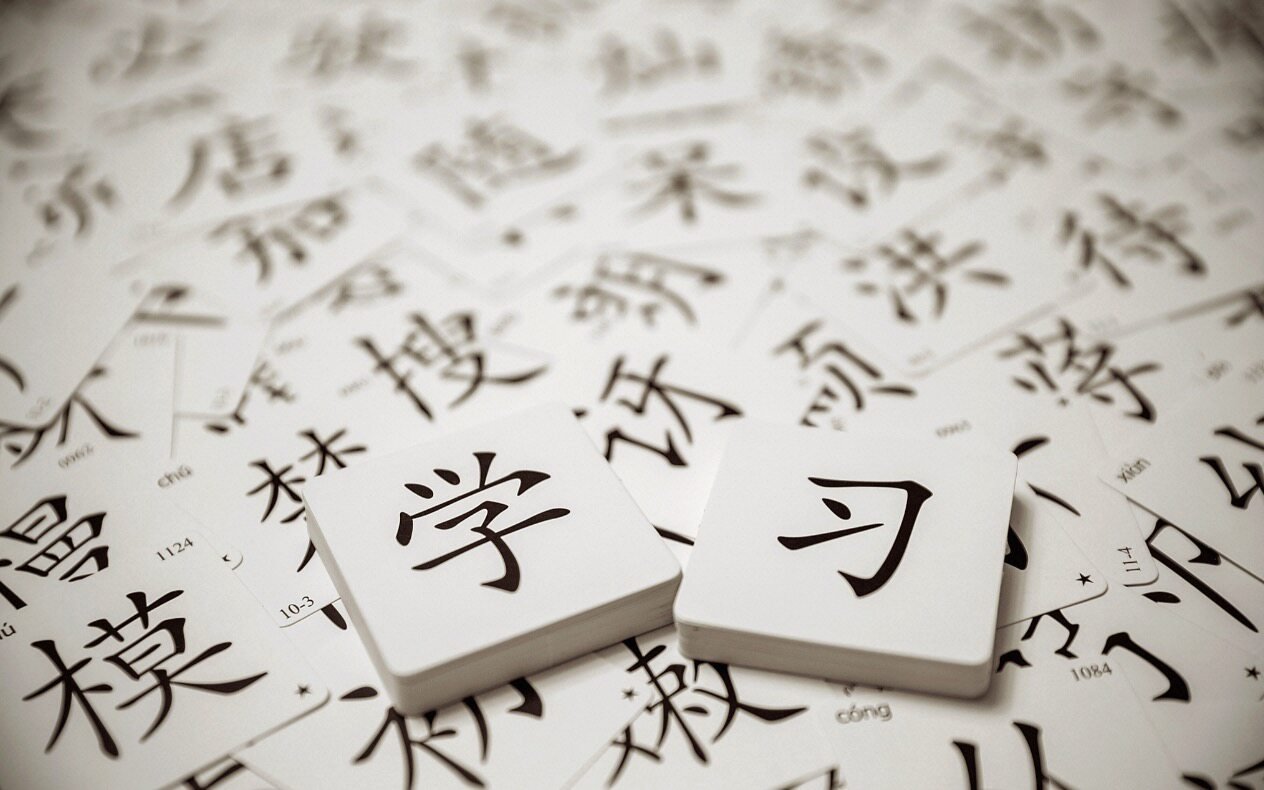
Every year on April 20, the United Nations commemorates Chinese Language Day, a global celebration dedicated to promoting multilingualism, cultural diversity, and the rich heritage of the Chinese language. 🗣️ This annual observance is part of the UN’s broader initiative to honor all six official languages of the organization—Arabic, Chinese, English, French, Russian, and Spanish. By spotlighting the Chinese language, the UN not only recognizes its historical significance and linguistic complexity but also fosters greater understanding among cultures in an increasingly interconnected world. With over 1.3 billion native speakers, Mandarin Chinese is the most spoken language globally, making Chinese Language Day a vital platform for cross-cultural dialogue, education, and international cooperation.
The United Nations established Language Days in 2010 to celebrate linguistic diversity and promote equal use of all six official languages within the organization. Chinese Language Day was specifically chosen to be observed on April 20, aligning with the traditional Chinese solar term Guyu (谷雨), which means “Grain Rain.” This date holds deep cultural resonance, as it commemorates the legendary contribution of Cangjie, a mythical figure believed to have invented Chinese characters over 5,000 years ago. According to ancient texts, when Cangjie created the first characters, grains fell from the sky like rain—a phenomenon that gave rise to the name Guyu.
The selection of this symbolic date reflects the UN’s intention to intertwine linguistic celebration with cultural storytelling. Unlike other Language Days that are often tied to national figures or historical events, Chinese Language Day draws from mythology and agricultural tradition, emphasizing the profound connection between language, nature, and human civilization in Chinese culture. Since its inception, the day has evolved into a dynamic platform for showcasing calligraphy, poetry, music, film, and digital innovation rooted in the Chinese language.
The primary purpose of Chinese Language Day extends beyond mere recognition—it serves as a powerful tool for advancing global communication, educational access, and cultural inclusion. In a world where language shapes perception, identity, and opportunity, promoting the Chinese language helps bridge gaps between East and West, enabling more inclusive diplomacy and mutual understanding.
One of the key impacts of this observance is its role in encouraging language learning. Institutions around the world use this day to host workshops, lectures, and language immersion programs focused on Mandarin and classical Chinese. The UN Department of Global Communications organizes high-profile events featuring renowned scholars, poets, and performers who demonstrate the expressive power of the language through calligraphy exhibitions, opera performances, and AI-driven language demonstrations.
Moreover, Chinese Language Day amplifies efforts to preserve linguistic heritage amid rapid globalization. While Mandarin dominates as the standard form, the celebration also highlights regional dialects such as Cantonese, Shanghainese, and Hokkien, drawing attention to the internal diversity within the Sino-Tibetan language family. This inclusivity supports UNESCO’s mission to safeguard endangered languages and promotes respect for minority speech communities.
| Objective | Description |
|---|---|
| Promote Multilingualism | Encourage the use of Chinese in UN operations and public outreach. |
| Enhance Cultural Exchange | Showcase Chinese literature, art, and philosophy to global audiences. |
| Support Language Education | Inspire students and educators to engage with Chinese language studies. |
| Foster Digital Innovation | Highlight advancements in machine translation and AI for Chinese text processing. |
From New York to Nairobi, Beijing to Buenos Aires, Chinese Language Day unites people across continents in shared appreciation for one of humanity’s oldest living languages. The United Nations headquarters in New York typically hosts a flagship event featuring bilingual readings, interactive exhibits, and panel discussions on topics ranging from Confucian ethics to modern Chinese cinema.
Across member states, embassies and cultural centers organize their own festivities. For example:
Digital engagement has further amplified participation. Social media campaigns using hashtags like #ChineseLanguageDay and #SpeakChinese trend annually, connecting learners, teachers, and enthusiasts worldwide. Online platforms such as Coursera and edX often release special courses or discounts on Chinese language modules during this period, democratizing access to education.
Additionally, tech companies collaborate with the UN to demonstrate real-time translation tools and voice recognition systems capable of handling tonal nuances in Mandarin. These innovations underscore how language preservation and technological progress can go hand in hand.
Chinese Language Day is far more than a ceremonial observance—it is a vibrant affirmation of humanity’s linguistic richness and a testament to the enduring power of communication. 🌏 By celebrating the Chinese language, the United Nations reaffirms its foundational principle of inclusivity and strengthens the bonds that connect diverse peoples through shared expression. As globalization accelerates, preserving and promoting languages like Chinese becomes essential to maintaining cultural identity and fostering empathy across borders.
This annual event reminds us that every character written, every poem recited, and every conversation held in Chinese contributes to a broader narrative of unity in diversity. Whether you’re a fluent speaker, a curious learner, or simply someone who appreciates the beauty of human expression, Chinese Language Day invites you to participate in a global movement toward deeper understanding.
To learn more about upcoming events, educational resources, and ways to get involved, visit the official United Nations Chinese Language Day page. Discover how you can contribute to a more multilingual and culturally aware world—one word at a time. 🌟