Address
304 North Cardinal St.
Dorchester Center, MA 02124
Work Hours
Monday to Friday: 7AM - 7PM
Weekend: 10AM - 5PM
Address
304 North Cardinal St.
Dorchester Center, MA 02124
Work Hours
Monday to Friday: 7AM - 7PM
Weekend: 10AM - 5PM


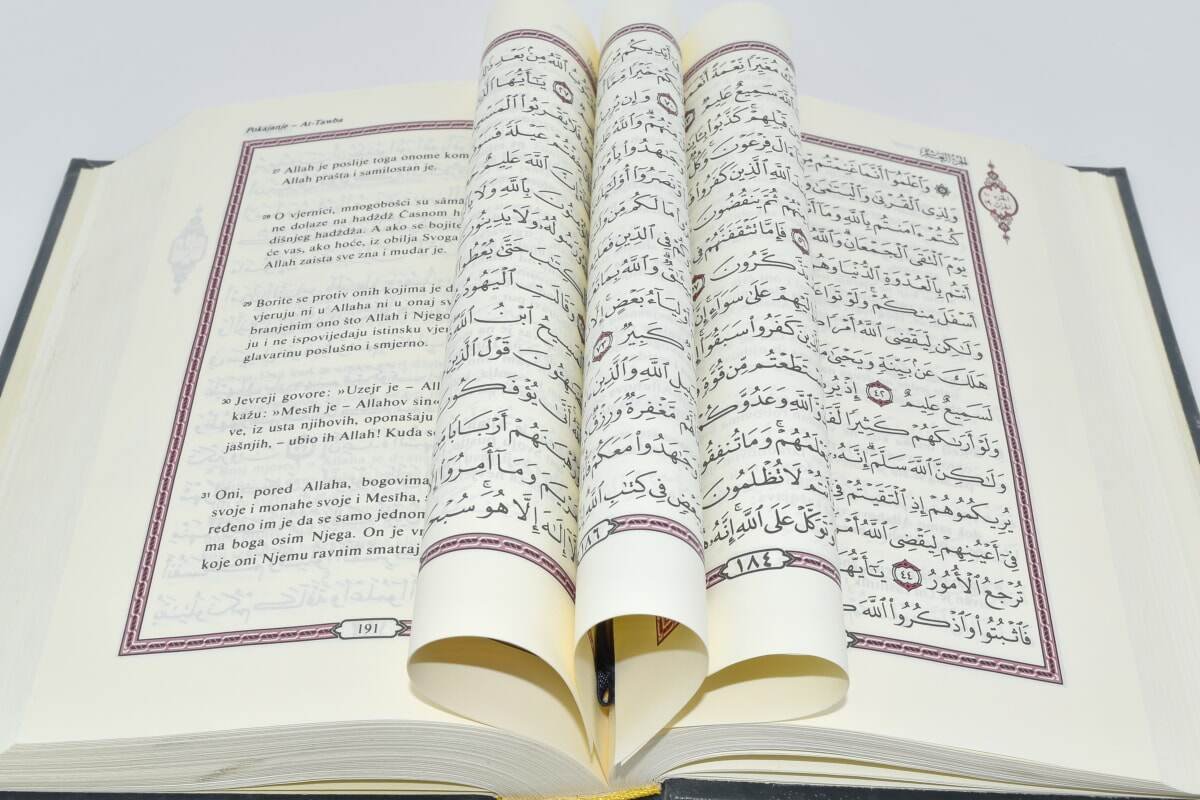
Every year on December 18, the United Nations observes Arabic Language Day to honor one of the most influential and historically rich languages in human civilization. This commemoration not only highlights the linguistic beauty and cultural depth of Arabic but also reinforces the UN’s commitment to multilingualism and cultural diversity 🌐. As one of the six official languages of the United Nations, Arabic plays a vital role in global diplomacy, international cooperation, and intercultural dialogue. With over 420 million speakers worldwide, Arabic connects people across North Africa, the Middle East, and diaspora communities around the globe 💬.
The celebration of Arabic Language Day serves as a powerful reminder of how language shapes identity, preserves heritage, and fosters mutual understanding among nations. It is more than just a tribute to vocabulary and grammar—it’s an invitation to explore centuries of poetry, science, philosophy, and art that have emerged from Arabic-speaking civilizations 📚. From the golden age of Islamic scholarship to contemporary literary movements, the Arabic language continues to inspire innovation and unity.
The establishment of Arabic Language Day by the United Nations dates back to 2010, when the UN Department of Global Communications (formerly DPI) launched a series of language days for each of its six official languages—Arabic, Chinese, English, French, Russian, and Spanish. These observances were designed to promote linguistic and cultural diversity and to encourage equal use of all six official languages within the organization 🏛️.
December 18 was chosen specifically because it marks the anniversary of a pivotal moment in linguistic history: on this day in 1973, the UN General Assembly adopted Resolution 3190, formally recognizing Arabic as the sixth official language of the United Nations 🗳️. This decision acknowledged the growing geopolitical importance of Arabic-speaking countries and affirmed the need for inclusive communication in global governance.
The roots of the Arabic language itself stretch back over 1,500 years. Classical Arabic, the form used in the Quran, became a unifying force during the early Islamic expansions, spreading from Spain to Central Asia. Over time, regional dialects evolved, yet Modern Standard Arabic remains the lingua franca across the Arab world, used in media, education, and formal discourse 🎤.
Throughout history, Arabic has been a bridge between civilizations. During the medieval period, scholars in Baghdad, Cairo, and Córdoba translated Greek philosophical and scientific texts into Arabic, preserving knowledge that would later influence the European Renaissance 🔬. Today, Arabic continues to be a vehicle for intellectual exchange, artistic expression, and religious practice.
The primary purpose of Arabic Language Day is twofold: to celebrate the richness of the Arabic language and to advocate for its continued relevance in international affairs and global culture. By spotlighting Arabic, the United Nations promotes inclusivity and ensures that voices from the Arab world are heard on the world stage 🌏.
One of the key impacts of this observance is raising awareness about the challenges facing linguistic diversity today. While Arabic is widely spoken, many younger generations in urban areas are increasingly adopting dominant global languages like English or French, sometimes at the expense of their native tongue 📉. Arabic Language Day encourages educational institutions, governments, and civil society to invest in language preservation and bilingual education programs.
Moreover, the day emphasizes the role of language in peacebuilding and conflict resolution. In regions affected by political instability, promoting local languages can empower communities, strengthen national identities, and reduce marginalization ✊. When people see their language reflected in international forums, they feel seen, respected, and included.
The cultural impact is equally profound. Events held on Arabic Language Day often feature poetry recitals, calligraphy exhibitions, film screenings, and academic conferences that showcase the artistic and intellectual contributions of Arabic speakers 🖋️🎭. These activities help dismantle stereotypes and foster cross-cultural appreciation.
| Aspect | Description |
|---|---|
| Date Observed | December 18 annually |
| Established By | UN Department of Global Communications (2010) |
| Historical Milestone | UNGA Resolution 3190 (1973) – Arabic recognized as official UN language |
| Number of Speakers | Over 420 million worldwide |
| Official Status | One of six official UN languages; official language in 26 countries |
From New York to Dubai, Paris to Jakarta, Arabic Language Day is marked by a vibrant array of events that reflect both tradition and innovation. Educational institutions organize student competitions in Arabic calligraphy, declamation, and essay writing 🏆. Cultural centers host concerts featuring traditional Arabic music, including oud performances and classical muwashshahat poetry set to melody 🎶.
In the digital realm, social media campaigns using hashtags like #ArabicLanguageDay and #كلمة_العربية gain traction, with users sharing quotes from famous Arab poets such as Al-Mutanabbi, Nizar Qabbani, and Mahmoud Darwish 📱. Governments and embassies release special statements or launch public service initiatives focused on literacy and language access.
The United Nations headquarters in New York typically hosts panel discussions, art displays, and readings by renowned authors and diplomats. Similar events take place at UN offices in Geneva, Vienna, and Nairobi, emphasizing the global reach of the observance 🏢. UNESCO often collaborates on projects related to endangered dialects, digital archiving of oral traditions, and support for Arabic-language publishing.
Technology companies also play a role. Major platforms like Google and Microsoft have released special doodles or features celebrating Arabic script and typography, highlighting its aesthetic complexity and historical significance 🖥️. Artificial intelligence researchers are investing in natural language processing tools tailored to Arabic, addressing unique challenges such as diglossia (the coexistence of Modern Standard Arabic and regional dialects).
Beyond formal institutions, individuals participate by learning basic Arabic phrases, cooking traditional dishes while listening to Arabic storytelling, or watching acclaimed films from Arab cinema—such as *Cairo Station*, *Paradise Now*, or *Capernaum* 🎬. Libraries and bookstores curate special collections of Arabic literature in translation, introducing global audiences to works by Naguib Mahfouz, Hanan al-Shaykh, and Adania Shibli.
Arabic Language Day is far more than a ceremonial observance—it is a vital affirmation of cultural identity, intellectual legacy, and global equity. In honoring the Arabic language, we recognize the enduring contributions of Arab civilizations to science, literature, ethics, and human thought 🧠. We reaffirm the principle that no culture should be silenced in the pursuit of global progress.
As the world becomes increasingly interconnected, multilingualism must remain a cornerstone of international cooperation. Preserving and promoting languages like Arabic ensures that diverse perspectives enrich global conversations rather than being overshadowed by linguistic dominance 🤝.
To learn more about how the United Nations celebrates linguistic diversity and supports cultural inclusion, we invite you to visit the official Arabic Language Day page on the UN website. Explore upcoming events, educational resources, and inspiring stories from around the world. Whether you’re a language learner, educator, policymaker, or simply curious about global cultures, there is something meaningful waiting for you.
Let us continue to champion the power of words, the beauty of scripts, and the unity found in our shared humanity. On December 18 and every day, let’s celebrate the Arabic language—not just as a tool of communication, but as a living testament to resilience, creativity, and connection 💙.