Address
304 North Cardinal St.
Dorchester Center, MA 02124
Work Hours
Monday to Friday: 7AM - 7PM
Weekend: 10AM - 5PM
Address
304 North Cardinal St.
Dorchester Center, MA 02124
Work Hours
Monday to Friday: 7AM - 7PM
Weekend: 10AM - 5PM


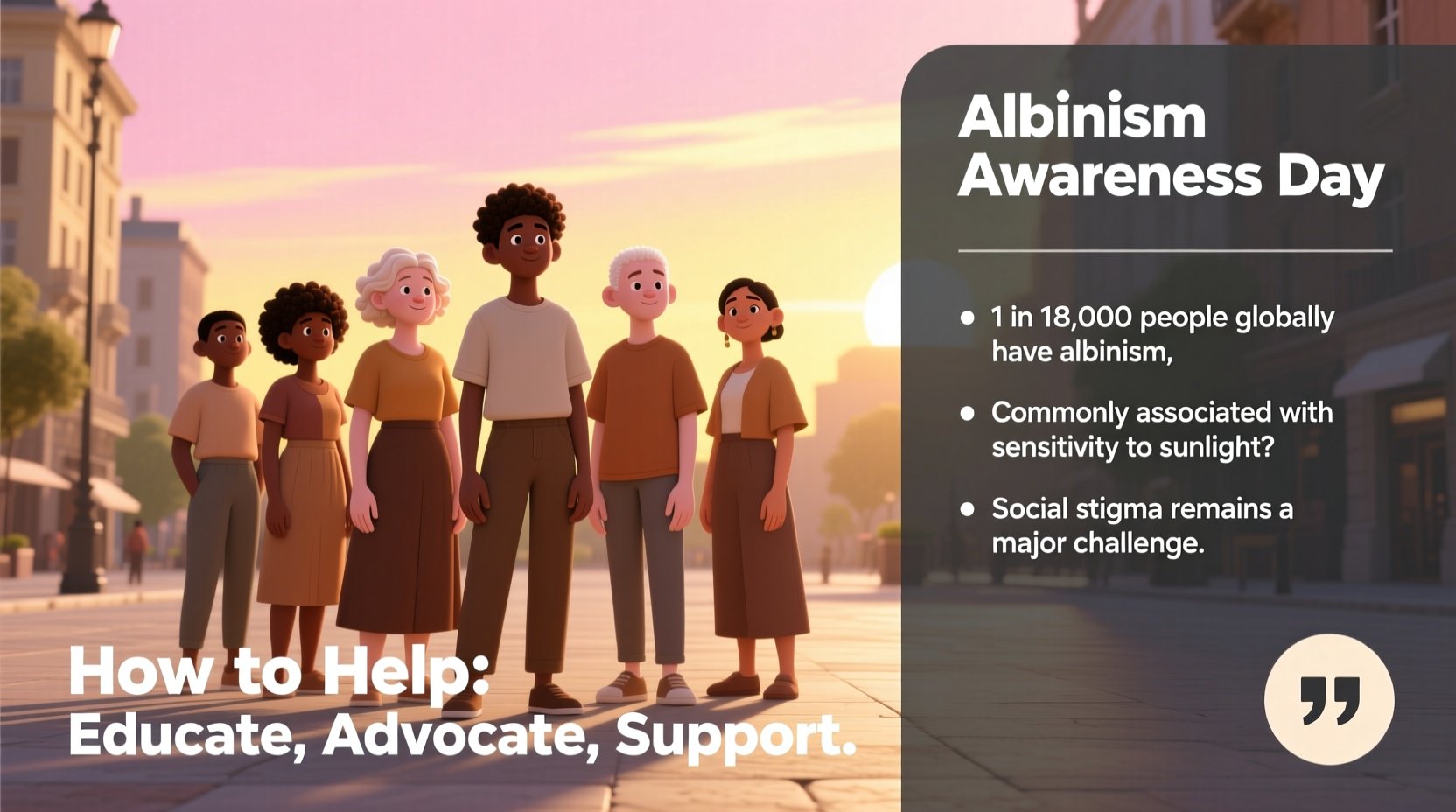
Every year on June 13, the world unites to observe International Albinism Awareness Day (IAAD), a powerful global initiative established by the United Nations to champion the rights, dignity, and inclusion of persons with albinism. First officially recognized in 2015 through UN General Assembly Resolution A/RES/69/170, this day serves as both a celebration of identity and a critical call to action against widespread discrimination, stigma, and violence targeting individuals with albinism. With an estimated 1 in 17,000 people worldwide living with albinism—a genetic condition characterized by little or no production of melanin—this observance highlights the urgent need for education, legal protection, and societal change.
The significance of IAAD extends far beyond awareness; it is a platform for advocacy, empowerment, and solidarity. From Africa, where attacks and harmful myths persist, to communities across Asia, Latin America, and Europe facing social exclusion and health disparities, the day amplifies voices that have long been marginalized. By promoting accurate information about albinism and confronting dangerous misconceptions, International Albinism Awareness Day plays a vital role in advancing human rights and fostering inclusive societies.
The journey toward official recognition of International Albinism Awareness Day began with grassroots activism and years of relentless advocacy by persons with albinism and their allies. For decades, individuals born with albinism have faced systemic challenges rooted in ignorance and superstition. In many regions, particularly sub-Saharan Africa, people with albinism have been subjected to brutal attacks, mutilations, and even killings due to beliefs that their body parts possess magical properties. These heinous acts are often fueled by deep-seated cultural myths and economic desperation, leaving entire communities traumatized and vulnerable.
Recognizing the severity of these violations, the United Nations took decisive action. On December 18, 2014, the UN General Assembly adopted Resolution A/RES/69/170, proclaiming June 13 as International Albinism Awareness Day. This landmark decision followed extensive lobbying by civil society organizations, including the Albinism Society of Kenya, Under The Same Sun, and the United Nations Independent Expert on the enjoyment of human rights by persons with albinism. The resolution emphasized the need to combat all forms of discrimination and violence while ensuring equal access to healthcare, education, and employment.
Since its inception, IAAD has grown into a globally coordinated effort involving governments, NGOs, international agencies, and affected individuals. Each year, the UN selects a thematic focus to guide activities and messaging, such as “Ending Harmful Practices and Myths About Albinism” or “The Right to Health”, ensuring that the conversation evolves and remains relevant.
The core purpose of International Albinism Awareness Day is threefold: to raise public awareness, protect human rights, and promote inclusion. At its heart, IAAD seeks to dismantle the pervasive myths and misinformation that endanger lives and hinder opportunities for persons with albinism.
In countries like Malawi, Tanzania, and Burundi, persons with albinism continue to live under threat. According to reports from the Office of the High Commissioner for Human Rights (OHCHR), over 600 attacks on people with albinism were recorded between 2000 and 2022 in Eastern Africa alone. These include abductions, grave robberies, and ritual killings. IAAD provides a critical platform to spotlight these atrocities and demand accountability from national authorities.
Individuals with albinism face unique medical needs, particularly related to vision and skin protection. Due to reduced melanin, they are highly susceptible to sunburn and skin cancer. Without access to sunscreen, protective clothing, and dermatological care, many develop life-threatening conditions. IAAD advocates for integrating albinism-related health services into national healthcare systems and training medical professionals to provide culturally competent care.
Visual impairments associated with albinism often lead to exclusion from mainstream education unless accommodations like large-print materials or assistive technology are provided. Similarly, workplace discrimination limits economic independence. Through policy recommendations and awareness campaigns, IAAD pushes for inclusive education frameworks and anti-discrimination laws that ensure equal opportunity.
| Key Area | Challenges Faced | IAAD Advocacy Goals |
|---|---|---|
| Human Rights | Violence, infanticide, trafficking | Legal protection, law enforcement training |
| Health | Skin cancer, lack of sunscreen access | National health coverage, UV protection programs |
| Education | Exclusion, lack of accommodations | Inclusive curricula, teacher training |
| Social Inclusion | Stigma, bullying, isolation | Public education, media representation |
International Albinism Awareness Day is observed in over 80 countries, reflecting a growing global commitment to justice and equality. Governments, schools, hospitals, and community centers organize events ranging from educational seminars and art exhibitions to public marches and social media campaigns.
The United Nations system actively supports these efforts. The UN Human Rights Office, UNICEF, and WHO collaborate on initiatives that align with the Sustainable Development Goals (SDGs), particularly Goal 3 (Good Health), Goal 4 (Quality Education), and Goal 10 (Reduced Inequalities). Additionally, the appointment of an Independent Expert on albinism ensures continuous monitoring and reporting on the state of human rights for this population.
International Albinism Awareness Day is more than a symbolic gesture—it is a vital instrument for transformation. It challenges societies to confront prejudice, uphold human rights, and embrace diversity in all its forms. Every person with albinism deserves to live free from fear, with access to healthcare, education, and the opportunity to thrive.
As we reflect on the progress made since the adoption of Resolution A/RES/69/170, we must also acknowledge how much work remains. Discrimination persists. Lives are still lost. But through sustained global engagement, education, and policy reform, change is possible.
We urge you to learn more, speak up, and stand in solidarity. Visit the official United Nations page for International Albinism Awareness Day at https://www.un.org/en/observances/albinism-day to explore resources, join campaigns, and discover how you can make a difference. Together, we can build a world where every individual, regardless of skin color or genetic condition, is seen, valued, and protected. ❤️