Address
304 North Cardinal St.
Dorchester Center, MA 02124
Work Hours
Monday to Friday: 7AM - 7PM
Weekend: 10AM - 5PM
Address
304 North Cardinal St.
Dorchester Center, MA 02124
Work Hours
Monday to Friday: 7AM - 7PM
Weekend: 10AM - 5PM


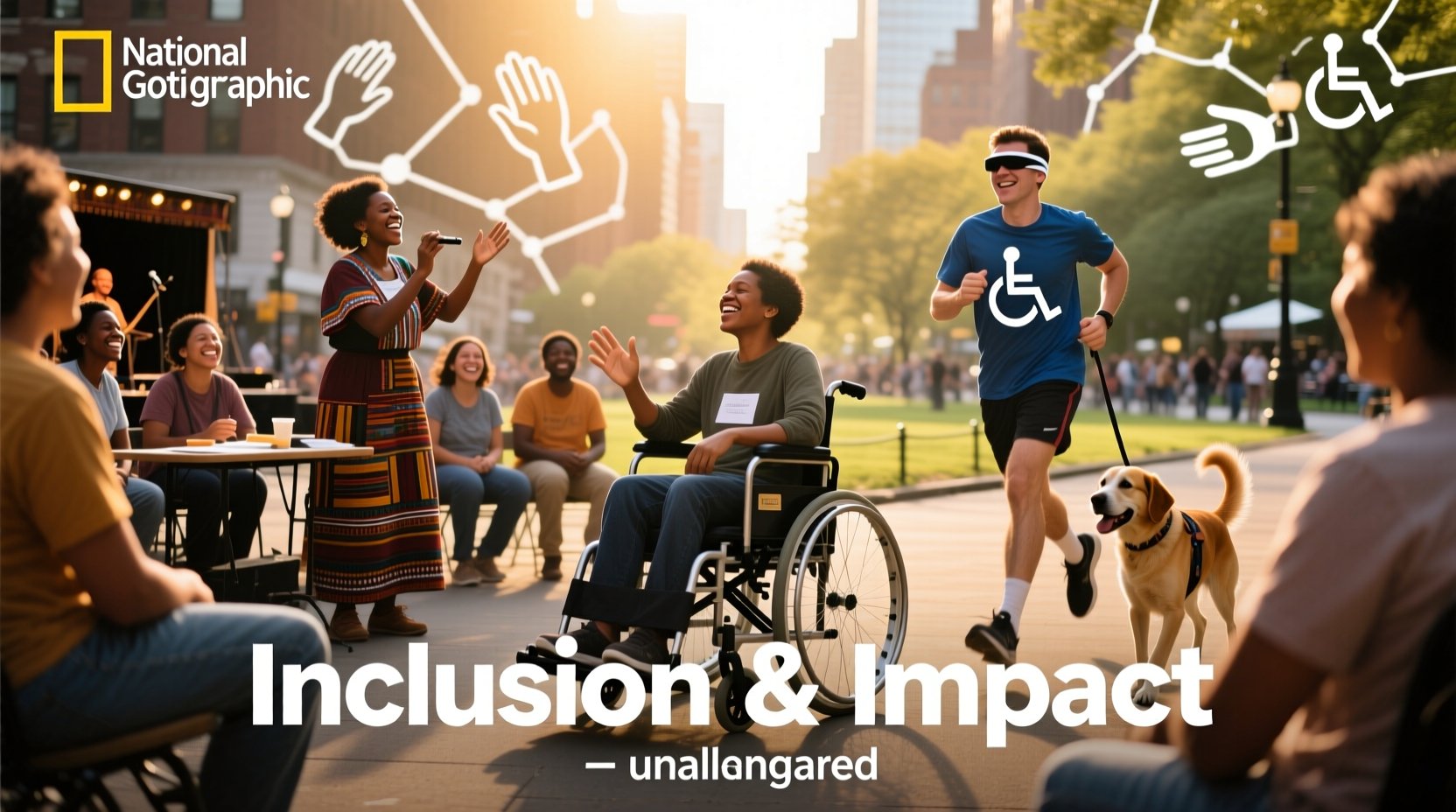
The International Day of Persons with Disabilities (IDPD), observed annually on December 3rd, stands as a powerful global commitment to advancing the rights, dignity, and inclusion of over one billion people worldwide living with disabilities. Established by the United Nations through Resolution A/RES/47/3 in 1992, this day serves not only as a moment of reflection but as a catalyst for action across governments, civil society, and private sectors. With the theme of sustainable development for all at its core, IDPD emphasizes that disability inclusion is not optional—it is essential to achieving equitable progress under the 2030 Agenda for Sustainable Development.
Each year, the United Nations selects a dynamic theme to focus global attention on emerging challenges and opportunities. Recent themes have included ‘Building Back Better: Toward a Disability-Inclusive, Accessible and Sustainable Post-COVID-19 World’ and ‘Transformative Solutions for Inclusive Development: The Role of Innovation in Fueling an Accessible and Equitable World’. These underscore how innovation, policy reform, and societal mindset shifts are critical to dismantling barriers—physical, digital, and attitudinal—that continue to exclude persons with disabilities from full participation in society.
The roots of the International Day of Persons with Disabilities trace back to growing international recognition of the need to protect human rights for individuals with disabilities. Long marginalized and often invisible in public discourse, persons with disabilities faced systemic discrimination in education, employment, healthcare, and civic life. In response, the United Nations launched the World Programme of Action Concerning Disabled Persons in 1981 during the International Year of Disabled Persons. This landmark initiative laid the groundwork for national policies promoting equal opportunities.
The adoption of General Assembly Resolution A/RES/47/3 in October 1992 officially proclaimed December 3 as the International Day of Persons with Disabilities, beginning in 1993. The resolution called upon member states to strengthen awareness and take measures to improve the lives of persons with disabilities through inclusive legislation, accessibility standards, and community-based support systems.
This momentum culminated in the adoption of the Convention on the Rights of Persons with Disabilities (CRPD) in 2006—one of the fastest-ratified human rights treaties in UN history. The CRPD legally binds signatory nations to uphold principles such as non-discrimination, full participation, accessibility, and respect for inherent dignity. Today, the annual observance of IDPD aligns closely with the implementation and monitoring of the CRPD’s provisions.
| Year | Milestone | Significance |
|---|---|---|
| 1981 | International Year of Disabled Persons | Led to the World Programme of Action; raised global awareness |
| 1992 | A/RES/47/3 adopted | Established December 3 as International Day of Persons with Disabilities |
| 2006 | Adoption of the CRPD | First comprehensive human rights treaty of the 21st century focused on disability |
| 2015 | 2030 Agenda includes disability inclusion | Sustainable Development Goals (SDGs) explicitly reference persons with disabilities |
| 2023 | Global Report on Assistive Technology | Highlighted access gaps; spurred investment in assistive devices |
The central purpose of the International Day of Persons with Disabilities is threefold: to promote awareness, drive policy change, and celebrate achievements in inclusion. It acts as both a mirror and a megaphone—reflecting current inequalities while amplifying voices that have historically been silenced.
One of the most significant impacts of IDPD has been its role in shaping national legislation. Countries around the world—from Kenya to Canada, India to Sweden—have used the occasion to launch new accessibility laws, expand social protection programs, and invest in inclusive infrastructure. For example, following IDPD campaigns, several cities have implemented tactile paving, audio signals at crosswalks, and real-time captioning in public transportation systems.
In the digital realm, the day has accelerated efforts toward web accessibility. Organizations are increasingly adopting Web Content Accessibility Guidelines (WCAG), ensuring websites are navigable via screen readers, keyboard-only inputs, and alternative text descriptions. Tech giants like Microsoft and Google now integrate accessibility into product design cycles—a shift influenced in part by advocacy surrounding IDPD.
Economically, the day highlights the untapped potential of persons with disabilities in the workforce. According to the International Labour Organization (ILO), persons with disabilities are more than twice as likely to be unemployed. IDPD initiatives encourage businesses to adopt inclusive hiring practices, provide reasonable accommodations, and foster workplace cultures rooted in diversity and equity.
These themes reflect an evolving understanding that disability intersects with climate justice, mental health, technology, and global crises like pandemics.
The strength of the International Day of Persons with Disabilities lies in its truly global reach. Every December 3, thousands of events take place across continents—from high-level UN conferences in New York to grassroots workshops in rural villages. Governments, NGOs, schools, corporations, and individuals unite to host forums, art exhibitions, film screenings, and accessible sports events.
The United Nations Department of Economic and Social Affairs (UN DESA) leads coordination efforts, publishing toolkits, campaign materials, and live-streamed panels featuring disabled leaders, policymakers, and innovators. In recent years, virtual participation has expanded access, allowing people from remote areas or with mobility limitations to engage fully.
Civil society plays a crucial role. Organizations such as the International Disability Alliance (IDA), Disabled People’s Organizations (DPOs), and youth networks advocate for policy reforms and ensure that the principle of ‘Nothing About Us Without Us’ guides decision-making processes.
Private sector engagement is also growing. Companies like Accenture, SAP, and EY have made public commitments to disability inclusion, citing not just ethical imperatives but business benefits—diverse teams drive innovation and better customer insights. On IDPD, many firms release diversity reports, announce new accessibility features, or sponsor inclusive employment programs.
| Country/Organization | Initiative | Impact |
|---|---|---|
| Australia | National Disability Strategy 2021–2031 | Long-term roadmap for inclusion across sectors |
| European Union | European Accessibility Act (EAA) | Mandates accessible products and services across member states |
| Kenya | Accessible election materials and polling stations | Increased voter turnout among persons with disabilities |
| Microsoft | AI for Accessibility program | Funds tech innovations improving independence |
The International Day of Persons with Disabilities is far more than a symbolic observance—it is a vital engine for social transformation. By spotlighting disparities, celebrating resilience, and mobilizing collective action, it reinforces the fundamental truth that human rights are universal. When we remove barriers to accessibility, we don’t just help individuals—we enrich entire communities.
As global challenges from climate change to digital disruption intensify, inclusive solutions must be at the forefront. Persons with disabilities bring unique perspectives, problem-solving skills, and lived experiences that are indispensable to building a sustainable future for all.
We urge educators, policymakers, business leaders, and citizens everywhere to embrace the spirit of IDPD every day—not just on December 3. Learn more about how you can contribute by visiting the official United Nations page for the International Day of Persons with Disabilities. Explore resources, join campaigns, and become an ally in the movement toward a world where everyone, regardless of ability, can thrive with dignity and opportunity. 🌟