Address
304 North Cardinal St.
Dorchester Center, MA 02124
Work Hours
Monday to Friday: 7AM - 7PM
Weekend: 10AM - 5PM
Address
304 North Cardinal St.
Dorchester Center, MA 02124
Work Hours
Monday to Friday: 7AM - 7PM
Weekend: 10AM - 5PM


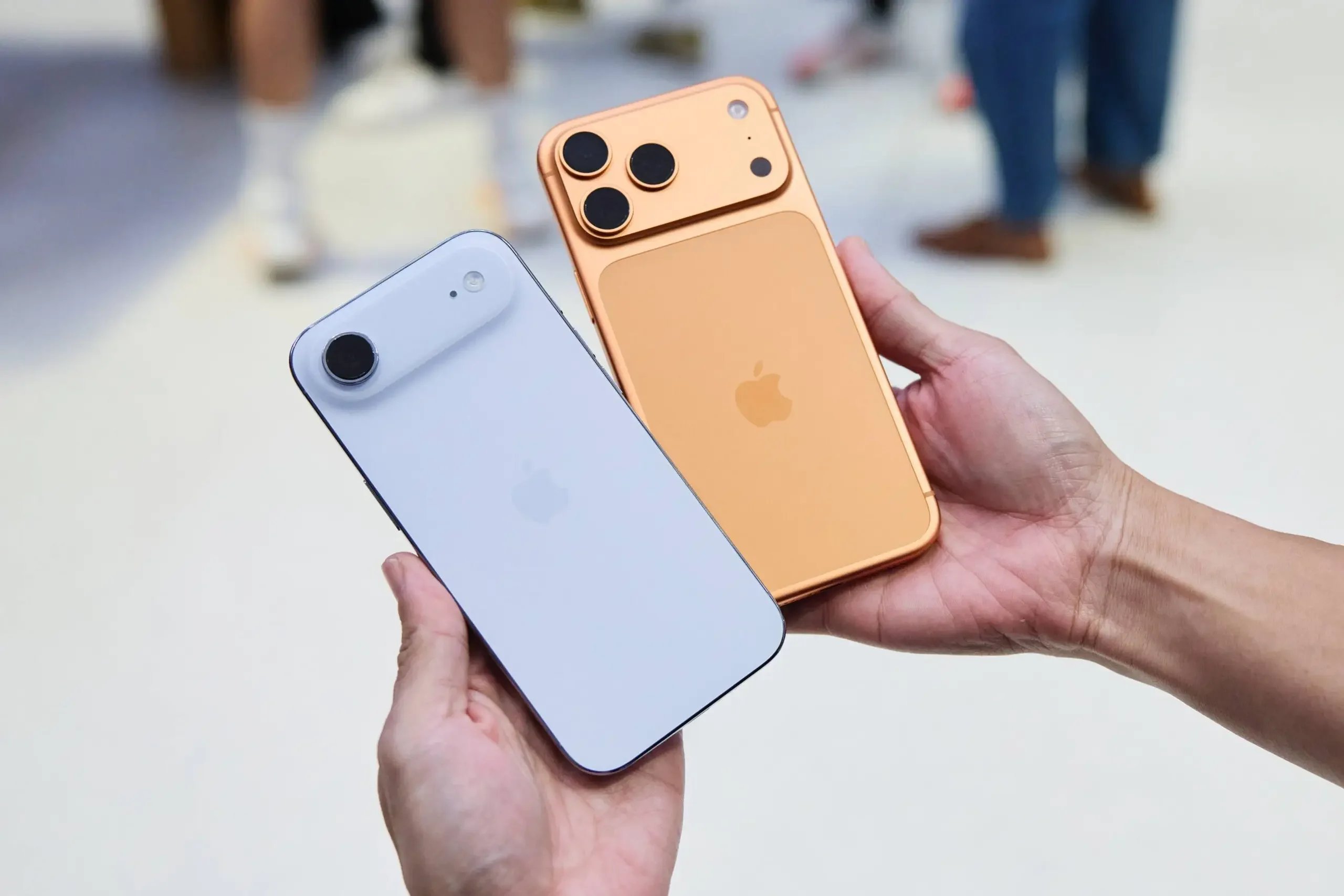
The tech rumor mill is a stran beast. Just when we thought we had Apple’s 2026 roadmap figured out, a new leak from China suggests we were wrong about the iPhone Air 2. Earlier this winter, several reports hinted that Apple was pushing the second-generation slim phone into 2027. The logic seemed sound: the original Air didn’t exactly fly off the shelves, and engineers allegedly needed more time to “fix” the design.
However, a well-known Weibo tipster, Fixed Focus Digital, has thrown a wrench in that theory. According to his latest post, the iPhone Air 2 is “confirmed” (in as much as a leak can be) for a September 2026 launch. If this pans out, it means Apple is sticking to its guns, likely positioning the Air 2 as a sleek alternative to the heavy-hitting iPhone 18 Pro and the much-hyped iPhone Fold.
Let’s be honest: the first iPhone Air was a beautiful experiment that lacked practical punch. It ran hot and the single camera felt like a step backward. To make the Air 2 a success, Apple is reportedly going “pro” with the cooling. We are hearing a lot about vapor chamber cooling—a tech usually reserved for gaming rigs—to keep that razor-thin chassis from throttling under load.
Beyond the thermals, the move to a dual-camera system is the big win here. Consumers simply aren’t willing to pay a premium for a single lens anymore. By adding a second sensor and potentially lowering the entry price, Apple could finally turn the “Air” line from a niche fashion statement into a mainstream powerhouse.
While we wait for the fall fireworks, the iPhone 17e is already heating up. Reports indicate the device has officially hit the mass production stage. This virtually guarantees a Spring 2026 release, likely in March. This “e” model is expected to bring the A19 chip and—finally—MagSafe support to the more affordable end of the lineup. It’s a smart play; Apple needs a solid mid-range anchor while it experiments with foldables and ultra-thin designs at the high end.
<a href=”https://www.</a>