Address
304 North Cardinal St.
Dorchester Center, MA 02124
Work Hours
Monday to Friday: 7AM - 7PM
Weekend: 10AM - 5PM
Address
304 North Cardinal St.
Dorchester Center, MA 02124
Work Hours
Monday to Friday: 7AM - 7PM
Weekend: 10AM - 5PM


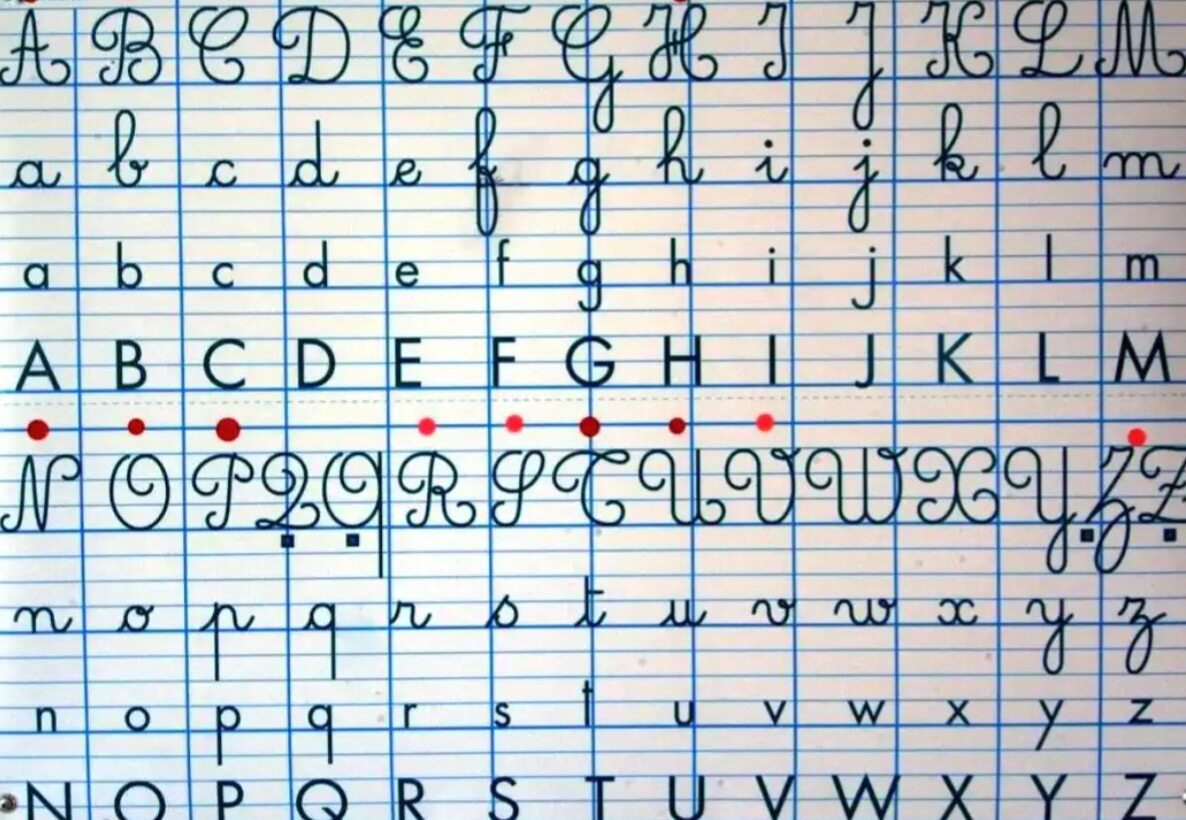
Every year on March 20, the world unites to celebrate French Language Day, one of the six official language days observed by the United Nations. This day not only honors the rich linguistic and cultural heritage of the French language but also reinforces its vital role in promoting multilingualism, diplomacy, and global understanding. As a cornerstone of international communication, French serves as an official language of the UN, used daily in meetings, documents, and diplomatic exchanges across the globe.
The celebration of French Language Day reflects the United Nations’ commitment to cultural diversity and equal access to information. By spotlighting French—a language spoken by over 300 million people across five continents—the UN fosters inclusivity and strengthens cross-cultural dialogue. From Paris to Dakar, Montreal to Geneva, this annual observance brings together educators, artists, linguists, and citizens who cherish the elegance, history, and expressive power of the French tongue. 🗣️📘
The roots of UN French Language Day trace back to 2010, when the United Nations Department of Global Communications (then the Department of Public Information) launched a series of language-specific observances to celebrate each of the six official UN languages: Arabic, Chinese, English, French, Russian, and Spanish. These initiatives were designed to promote linguistic diversity and multilingualism within the Organization and among the global public.
March 20 was deliberately chosen as the date for French Language Day to coincide with International Francophonie Day, which marks the founding of the Organisation internationale de la Francophonie (OIF) in 1970. The OIF is a global community of 88 member states and governments where French is a common language or holds significant cultural importance. This alignment underscores the deep connection between linguistic identity and international cooperation.
Unlike other language days that may focus solely on grammar or vocabulary, French Language Day at the UN emphasizes the cultural dimensions of language—literature, music, cinema, cuisine, and philosophy—that have made French a vehicle of human expression and intellectual exchange for centuries. It’s a tribute not just to a language, but to a shared civilization. 🎭🍷
| Year | Event | Significance |
|---|---|---|
| 1635 | Founding of the Académie française | Established to standardize and preserve the French language |
| 1880s | French becomes language of diplomacy | Replaced Latin as the lingua franca of international relations |
| 1945 | French named official UN language | Recognized for its global reach and diplomatic legacy |
| 1970 | Formation of the OIF | Created a political and cultural alliance of French-speaking nations |
| 2010 | First UN French Language Day | Launched to promote linguistic equality at the UN |
The primary purpose of French Language Day is to raise awareness about the importance of multilingualism in fostering peace, mutual respect, and effective global governance. In a world increasingly shaped by digital communication and geopolitical complexity, linguistic inclusivity ensures that no voice is left unheard in international discourse.
At the United Nations, all official documents and speeches are translated into the six official languages, including French. This policy ensures transparency and accessibility, allowing delegates from diverse linguistic backgrounds to participate fully in debates and decision-making processes. By celebrating French Language Day, the UN reaffirms its dedication to equitable representation and intercultural dialogue.
Moreover, the observance has a profound educational impact. Schools, universities, and cultural institutions around the world organize events such as poetry readings, film screenings, language workshops, and debates—all conducted in French. These activities inspire younger generations to learn the language and appreciate its literary and philosophical traditions. Authors like Victor Hugo, Albert Camus, and Marguerite Duras continue to influence global thought, and their works are often highlighted during this period. 📚✨
Another key impact lies in soft diplomacy. Countries with strong French-speaking populations use this day to strengthen bilateral ties and showcase their cultural assets. For example, Canada hosts francophone festivals, while African nations like Senegal and Côte d’Ivoire emphasize local adaptations of French through music and oral storytelling. This blend of tradition and innovation keeps the language dynamic and relevant.
French Language Day is not confined to the walls of the United Nations headquarters in New York. It is a truly global phenomenon, celebrated in over 50 countries with vibrant events that reflect local interpretations of Francophone culture.
In France, the government sponsors nationwide campaigns under the slogan “Le français, c’est aussi ça!” (French is also this!). Public spaces host exhibitions on linguistic evolution, and radio stations broadcast special programs featuring contemporary francophone artists from Algeria to Haiti. Meanwhile, in Canada, particularly in Quebec and New Brunswick, schools hold bilingual debates and creative writing contests to engage students in both official languages.
Africa, home to more than half of the world’s French speakers, plays a central role in these celebrations. In Kinshasa, Congo, musicians perform rumba and soukous in French-infused lyrics, blending linguistic pride with rhythm. In Abidjan, Ivory Coast, poets recite verses in français populaire, demonstrating how the language evolves in everyday urban life. These grassroots expressions highlight that French is not static—it adapts, grows, and resonates differently across regions.
Digital platforms have further amplified participation. On social media, hashtags like #JourneeDuFrancais and #UNFrenchLanguageDay trend annually, connecting millions of users who share quotes, videos, and personal stories about learning or living through the French language. The UN itself livestreams panel discussions featuring ambassadors, writers, and linguists discussing topics such as “French in the Age of Artificial Intelligence” and “Preserving Minority Languages in Francophone Communities.” 🌐📱
| Country | Event | Organizer |
|---|---|---|
| France | National reading marathon of French classics | Ministry of Culture |
| Canada | Bilingual youth summit in Ottawa | Canadian Heritage |
| Senegal | Francophone music festival in Dakar | OIF & City of Dakar |
| Switzerland | French-language theater performances in Geneva | UN Office at Geneva |
| Lebanon | French-Arabic poetry slam in Beirut | Alliance Française |
French Language Day is far more than a ceremonial observance—it is a powerful affirmation of cultural pluralism, intellectual heritage, and the enduring value of linguistic diversity in our interconnected world. By honoring the French language, the United Nations sends a clear message: every language carries wisdom, history, and identity worth preserving.
This annual celebration reminds us that language is not merely a tool for communication but a bridge between peoples, a guardian of memory, and a catalyst for innovation. Whether you’re a fluent speaker or just beginning your journey with French, March 20 offers a meaningful opportunity to explore its richness. From the poetic lines of Baudelaire to the revolutionary ideas of Rousseau, from the jazz rhythms of Martinique to the tech startups of Montréal, French continues to shape global conversations.
We encourage readers to join this worldwide celebration by attending local events, exploring francophone literature, or simply watching a French film with subtitles. To learn more about how the United Nations promotes multilingualism and to discover upcoming activities for French Language Day, visit the official United Nations website. Together, we can ensure that the beauty and power of the French language thrive for generations to come. 🇫🇷📖💫