Address
304 North Cardinal St.
Dorchester Center, MA 02124
Work Hours
Monday to Friday: 7AM - 7PM
Weekend: 10AM - 5PM
Address
304 North Cardinal St.
Dorchester Center, MA 02124
Work Hours
Monday to Friday: 7AM - 7PM
Weekend: 10AM - 5PM


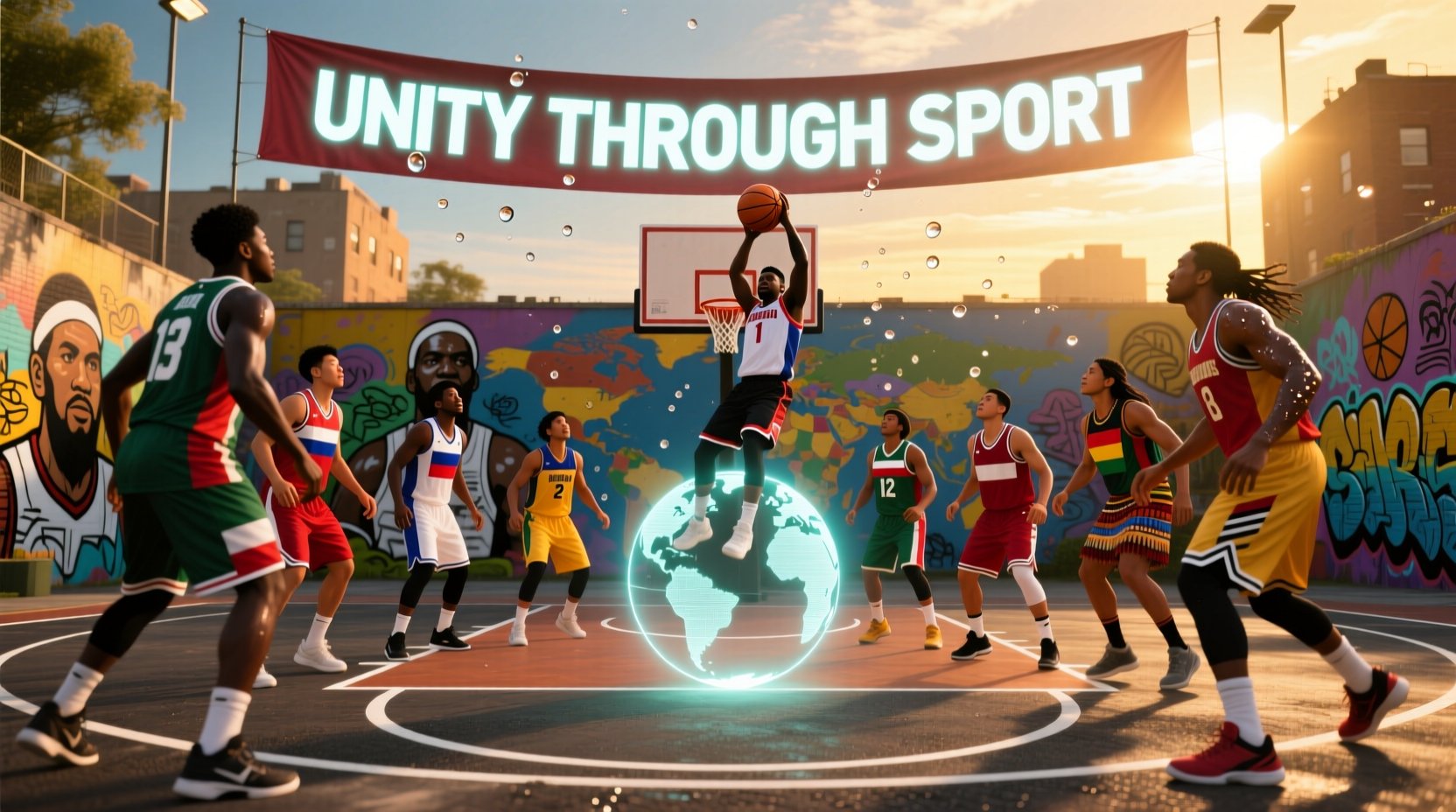
Basketball is more than just a game—it’s a global language of unity, resilience, and inclusion. 🏀 Every year on December 21, the world comes together to observe World Basketball Day, an official United Nations international observance established to recognize the power of basketball in advancing social development, promoting peace, and fostering mutual understanding across cultures. Instituted by UN General Assembly Resolution A/RES/77/324 in December 2022, this day highlights how sports, particularly basketball, can be transformative tools for education, gender equality, health promotion, and youth empowerment.
The significance of World Basketball Day extends far beyond the court. It symbolizes a shared commitment to leveraging sport as a vehicle for sustainable development and global solidarity. With over 450 million people playing basketball in more than 200 countries and territories, it stands as one of the most widely played team sports in the world. From city streets to rural villages, from schoolyards to professional arenas, basketball connects individuals across age, gender, race, and socioeconomic status. This universal appeal makes it uniquely positioned to support the United Nations’ Sustainable Development Goals (SDGs), especially those related to quality education, reduced inequalities, good health, and peaceful societies.
The journey toward recognizing basketball as a force for global good began long before the formal adoption of World Basketball Day. Invented in 1891 by Dr. James Naismith in Springfield, Massachusetts, basketball was designed not only as a physical activity but also as a means to teach teamwork, discipline, and fair play. Over the decades, the sport evolved into a cultural phenomenon, influencing music, fashion, language, and international diplomacy.
The push for an official UN international day dedicated to basketball gained momentum through advocacy led by FIBA (International Basketball Federation), national governments, civil society organizations, and prominent athletes. Recognizing its potential as a tool for social change, FIBA launched initiatives such as Basketball for All and partnered with the UN on various programs focused on youth engagement and inclusion. These efforts culminated in the historic adoption of Resolution A/RES/77/324 on December 16, 2022, designating December 21 as World Basketball Day.
This date holds symbolic importance—it marks the anniversary of the first public basketball game, played in 1892 at Springfield College. By anchoring the celebration on this day, the UN honors both the historical roots and the enduring legacy of the sport. The resolution emphasizes basketball’s role in promoting values such as tolerance, respect, and non-discrimination, aligning closely with the principles enshrined in the UN Charter.
At its core, World Basketball Day is not merely about celebrating a sport; it is about harnessing its influence to drive meaningful societal transformation. The UN recognizes that sports have a unique ability to break down barriers and inspire action where traditional methods may fall short. Basketball, with its fast pace, accessibility, and inclusive nature, serves as an ideal platform for promoting key development objectives.
One of the primary purposes of this international day is to promote gender equality. Women’s basketball has seen significant growth in recent years, with increasing visibility and investment in leagues like the WNBA and FIBA Women’s Basketball World Cup. Events on World Basketball Day often spotlight female athletes and coaches, encouraging girls around the world to participate in sports and pursue leadership roles.
Additionally, basketball contributes to improving public health by encouraging physical activity among children and adults alike. Schools, communities, and NGOs use basketball programs to combat sedentary lifestyles, obesity, and mental health challenges. For example, organizations like Hoops for Hope and StreetInvest use streetball initiatives to engage at-risk youth, offering them safe spaces and mentorship opportunities.
The impact of basketball also reaches into conflict zones and post-crisis areas, where it fosters reconciliation and social cohesion. In refugee camps and displaced communities, organized games help restore a sense of normalcy and belonging. The UN High Commissioner for Refugees (UNHCR) has collaborated with sports bodies to bring basketball activities to camps in Jordan, Kenya, and Bangladesh, demonstrating how sport can heal and unite.
| Sustainable Development Goal (SDG) | How Basketball Contributes |
|---|---|
| SDG 3: Good Health and Well-being | Promotes physical fitness, reduces stress, and supports mental wellness through active participation. |
| SDG 4: Quality Education | Used in schools and after-school programs to improve attendance, focus, and teamwork skills. |
| SDG 5: Gender Equality | Encourages equal access to sports for girls and women, challenging stereotypes and empowering female athletes. |
| SDG 10: Reduced Inequalities | Provides inclusive opportunities regardless of background, disability, or economic status. |
| SDG 16: Peace, Justice, and Strong Institutions | Fosters dialogue, trust, and cooperation among diverse groups, including former adversaries. |
Since its inception, World Basketball Day has sparked vibrant celebrations across continents. Governments, schools, sports federations, and grassroots organizations host tournaments, clinics, educational workshops, and community outreach events. Cities light up landmarks in orange—the color of the basketball—and major sporting venues display messages of unity and inclusion.
In Africa, countries like Nigeria, Senegal, and Rwanda organize mass youth clinics supported by local heroes and NBA Academy Africa. In Europe, FIBA collaborates with municipalities to open public courts for free play and host intercultural matches. Across Latin America, from Argentina to the Dominican Republic, festivals combine music, dance, and 3×3 streetball competitions to celebrate regional diversity through sport.
The NBA and WNBA also play a pivotal role in amplifying the message of World Basketball Day. Each year, they launch special campaigns featuring players visiting schools, donating equipment, and sharing personal stories about how basketball changed their lives. Social media trends like #WorldBasketballDay and #PassTheLegacy encourage fans worldwide to share photos, videos, and testimonials, creating a digital wave of inspiration.
Notably, the day also promotes adaptive basketball for persons with disabilities. Wheelchair basketball demonstrations and inclusive clinics ensure that everyone, regardless of ability, can experience the joy and benefits of the game. UNESCO and the International Paralympic Committee support these efforts, reinforcing the principle that sport should be accessible to all.
World Basketball Day is much more than a tribute to a beloved sport—it is a powerful reminder of our shared humanity and the potential we all have to create positive change. 🌍 Through simple acts like passing a ball, playing a game, or mentoring a young athlete, we contribute to building healthier, fairer, and more connected societies. As recognized by UN Resolution A/RES/77/324, basketball transcends borders and speaks a universal language of hope, perseverance, and unity.
This international day invites everyone—players, coaches, educators, policymakers, and fans—to reflect on how sport can be a catalyst for progress. Whether you’re organizing a local event, teaching kids the rules of the game, or simply shooting hoops with friends, you are part of a global movement advancing peace and development.
To learn more about World Basketball Day, its origins, mission, and ways to get involved, visit the official United Nations page: https://www.un.org/en/observances/world-basketball-day. Discover how you can host an event, access educational resources, or join global campaigns that use basketball to transform lives. Let us continue to dribble toward dignity, pass the ball of opportunity, and score goals that matter—not just on the court, but in the world. 🏀✨