Address
304 North Cardinal St.
Dorchester Center, MA 02124
Work Hours
Monday to Friday: 7AM - 7PM
Weekend: 10AM - 5PM
Address
304 North Cardinal St.
Dorchester Center, MA 02124
Work Hours
Monday to Friday: 7AM - 7PM
Weekend: 10AM - 5PM


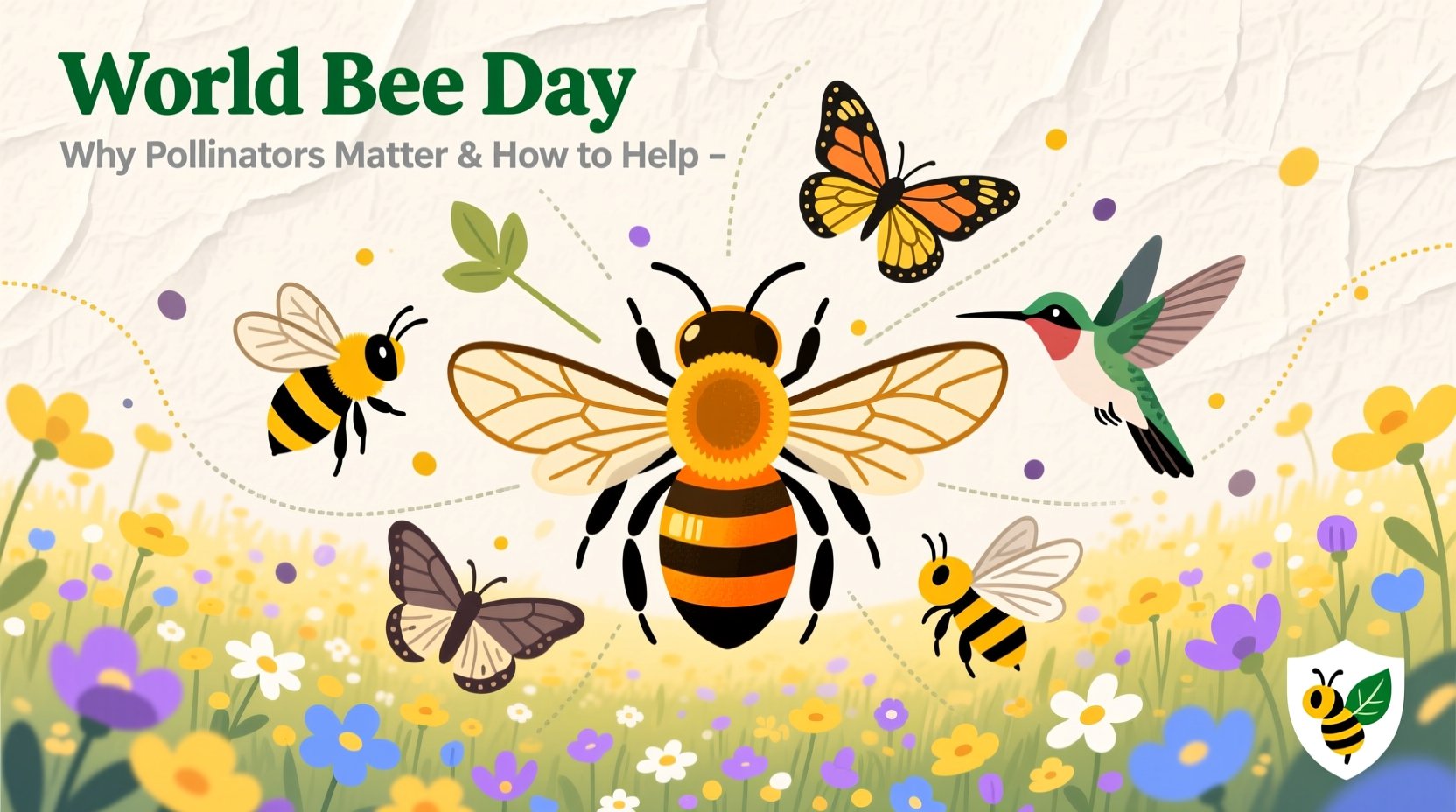
Every year on May 20, the world unites to celebrate World Bee Day, a global observance dedicated to raising awareness about the vital role of bees and other pollinators in sustaining life on Earth. Established by the United Nations through Resolution A/RES/72/211, this day highlights not only the ecological importance of pollinators but also their contribution to food security, biodiversity, and sustainable development 🐝. Bees are more than just honey producers—they are essential architects of healthy ecosystems and agricultural systems. Without them, nearly 75% of global food crops that rely on pollination would face severe decline. This makes World Bee Day not just an environmental event, but a crucial call to action for governments, communities, farmers, scientists, and individuals worldwide.
The journey toward recognizing a dedicated international day for bees began with Slovenia, a country with deep-rooted apicultural traditions. Slovenia submitted a proposal to the United Nations General Assembly in 2017, advocating for the establishment of a global day to honor bees and promote pollinator conservation. The choice of date—May 20—is deeply symbolic, as it marks the birthday of Anton Janša, a pioneer of modern beekeeping born in 1734 in Slovenia. Janša was one of the first teachers at a school of beekeeping in Vienna and helped lay the foundations for scientific apiculture.
On December 20, 2017, the UN General Assembly officially adopted Resolution A/RES/72/211, proclaiming May 20 as World Bee Day. This resolution acknowledged the critical role of pollinators in achieving the Sustainable Development Goals (SDGs), particularly those related to zero hunger (SDG 2), life on land (SDG 15), and climate action (SDG 13). It emphasized the alarming decline in pollinator populations due to habitat loss, pesticide use, climate change, and disease. By designating this annual observance, the UN aimed to mobilize global efforts to protect pollinators and support sustainable beekeeping practices.
The primary purpose of World Bee Day is threefold: to raise public awareness, inspire policy change, and promote concrete actions to protect pollinators. Each year, the day serves as a platform to educate people about the intricate relationship between bees and food production. According to the Food and Agriculture Organization (FAO), over 75% of the world’s food crops benefit from pollination, including fruits, vegetables, nuts, and seeds. The economic value of pollination services is estimated at up to $577 billion annually.
Beyond agriculture, bees contribute significantly to maintaining biodiversity. They help wild plants reproduce, which supports entire ecosystems—from forests to grasslands. Their decline threatens not only food supplies but also natural habitats and wildlife.
World Bee Day has catalyzed numerous initiatives around the globe. Governments have launched national pollinator strategies, schools integrate bee education into curricula, and urban planners incorporate pollinator-friendly green spaces into city designs. Scientific research on bee health, colony collapse disorder, and sustainable pesticides has gained renewed attention. Additionally, citizen science projects encourage individuals to monitor bee populations and report data, empowering grassroots involvement.
To illustrate the impact of pollinators across different regions, consider the following table:
| Region | Key Pollinated Crops | Economic Value (Annual) | Threats to Bees |
|---|---|---|---|
| North America | Almonds, Apples, Blueberries | $15+ billion | Pesticides, Varroa mites |
| Europe | Oilseed Rape, Cherries, Strawberries | €15 billion | Habitat fragmentation, climate shifts |
| Sub-Saharan Africa | Coffee, Cashew, Mango | $1.4 billion | Deforestation, lack of beekeeping support |
| Southeast Asia | Durian, Rambutan, Coconut | $800 million | Monoculture farming, urbanization |
World Bee Day has become a truly global movement, celebrated in over 130 countries through diverse events ranging from educational workshops to large-scale public campaigns. In Slovenia, the birthplace of the initiative, the government hosts an international conference featuring experts, beekeepers, and policymakers. Events include honey tastings, exhibitions of traditional beehives, and school competitions focused on pollinator art and science.
In the United States, organizations like the Xerces Society and the Pollinator Partnership lead nationwide campaigns promoting native plant gardens and pesticide-free zones. Cities such as Portland and Minneapolis have declared themselves “Bee Cities,” committing to pollinator protection through municipal policies.
In Africa, countries like Kenya and Uganda have integrated beekeeping into rural development programs, providing training and equipment to smallholder farmers. These initiatives not only conserve bees but also improve livelihoods and reduce poverty.
India celebrates with mass tree-planting drives and awareness rallies, while Australia focuses on protecting native bee species—over 1,600 of which are unique to the continent. Schools across Europe organize “Adopt a Beehive” programs, teaching children about ecology and responsibility.
International organizations also play a key role. The United Nations Environment Programme (UNEP), FAO, and the Convention on Biological Diversity collaborate to publish reports, launch digital campaigns, and support field projects. Social media amplifies the message, with hashtags like #SaveTheBees and #WorldBeeDay trending globally each year.
Notable partnerships include:
World Bee Day is far more than a symbolic gesture—it is a powerful reminder of our interconnectedness with nature and our shared responsibility to protect it. As pollinators face unprecedented threats from human activity, this annual observance offers a vital opportunity to reflect, educate, and act. From backyard gardeners planting wildflowers to national governments enacting protective legislation, every effort counts toward ensuring the survival of bees and the stability of our food systems.
The adoption of UN Resolution A/RES/72/211 marked a turning point in global environmental advocacy, placing pollinator health firmly on the international agenda. Yet much work remains. Continued investment in research, habitat restoration, sustainable agriculture, and public engagement is essential.
We urge you to learn more about how you can contribute to this vital cause. Visit the official United Nations page for World Bee Day to explore resources, event ideas, educational materials, and ways to get involved. Together, we can create a world where bees thrive—and so do we. 🐝💚