Address
304 North Cardinal St.
Dorchester Center, MA 02124
Work Hours
Monday to Friday: 7AM - 7PM
Weekend: 10AM - 5PM
Address
304 North Cardinal St.
Dorchester Center, MA 02124
Work Hours
Monday to Friday: 7AM - 7PM
Weekend: 10AM - 5PM


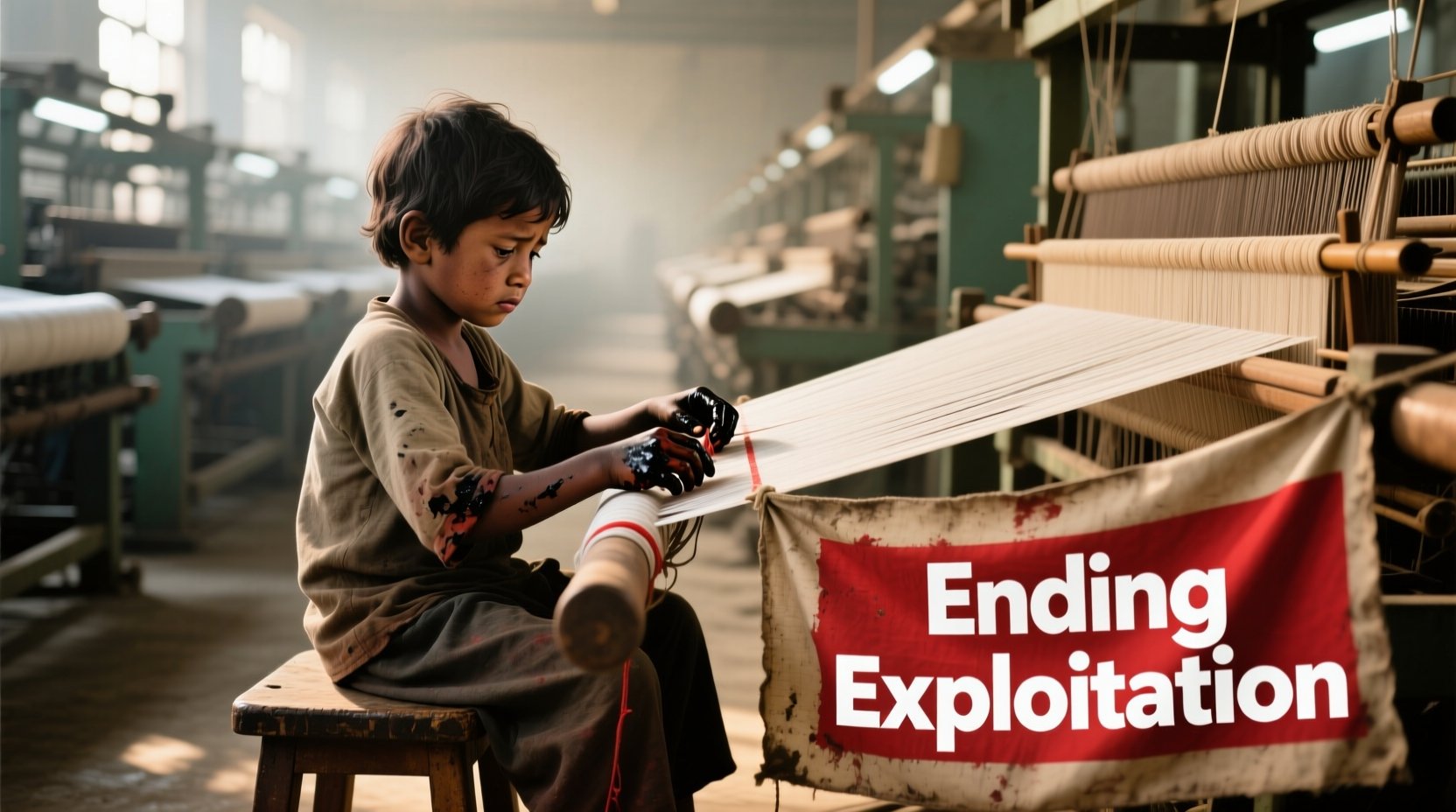
The World Day Against Child Labour, observed annually on June 12, stands as a powerful reminder of the urgent need to protect children from exploitation and unsafe working conditions 🌍. Every year, millions of children around the world are deprived of their childhood, education, and basic rights due to forced or hazardous labor. This international day, led by the International Labour Organization (ILO) in collaboration with UN agencies, governments, civil society, and private sectors, unites global efforts to eliminate child labour in all its forms.
According to the ILO, over 160 million children—nearly 1 in 10 worldwide—are engaged in child labour, with 79 million performing dangerous tasks that jeopardize their health, safety, and development 💔. The World Day Against Child Labour not only raises awareness but also drives policy changes, strengthens legal frameworks, and empowers communities to safeguard children’s futures. By focusing on root causes such as poverty, lack of access to education, and social inequality, this day amplifies voices demanding justice and dignity for every child.
The observance of the World Day Against Child Labour began in 2002, when the International Labour Organization officially launched it to highlight the severity of child labour and mobilize action across nations. Since then, June 12 has become a pivotal date for advocacy, research dissemination, and public engagement aimed at eradicating exploitative child work practices.
Historically, child labour surged during the Industrial Revolution, when children as young as five were employed in factories, mines, and textile mills under brutal conditions. Though industrialized nations gradually enacted protective laws, child labour persists today—especially in low- and middle-income countries—driven by economic hardship, conflict, and weak enforcement of labour standards.
The ILO’s Convention No. 138 on the Minimum Age for Admission to Employment (1973) and Convention No. 182 on the Worst Forms of Child Labour (1999) form the cornerstone of global legal efforts. As of 2023, both conventions have achieved universal ratification—a historic milestone showing near-unanimous global commitment 💪. Yet implementation remains uneven, particularly in rural areas, informal economies, and crisis zones.
The primary purpose of the World Day Against Child Labour is threefold: awareness-raising, policy advocacy, and community empowerment. Each year, the campaign adopts a specific theme to focus attention on emerging challenges or underreported issues within the broader fight against child labour.
For example, recent themes include:
These themes guide global campaigns, educational programs, media outreach, and stakeholder dialogues.
The impact of the day is measurable. Since 2000, the number of children in labour has declined by nearly 40% —from 246 million to 160 million—thanks to coordinated international efforts, improved schooling access, and stronger national policies 📉. However, progress has slowed in recent years, and the pandemic reversed gains in some regions, pushing an additional 9 million children into labour due to income loss and school closures.
Key outcomes driven by the World Day include:
The World Day Against Child Labour unites a diverse coalition of actors committed to ending child exploitation. From grassroots organizations to multinational institutions, participation spans continents and sectors.
The following table outlines key stakeholders and their roles:
| Stakeholder | Role in Combating Child Labour | Examples of Initiatives |
|---|---|---|
| ILO & UNICEF | Lead global research, set standards, monitor progress | Global Estimates of Child Labour reports, Time to Act campaigns |
| National Governments | Enact and enforce child labour laws, fund education | India’s ban on hazardous child work; Brazil’s Bolsa Família conditional cash transfers |
| Civil Society Organizations | Rescue children, provide rehabilitation, advocate for rights | Save the Children, Anti-Slavery International, GoodWeave |
| Private Sector | Ensure ethical sourcing, audit supply chains | Nestlé’s Cocoa Plan, Patagonia’s Fair Trade certification |
| Educational Institutions | Raise awareness among youth, promote peer advocacy | School debates, art contests, student-led campaigns |
| Individuals & Communities | Report abuse, support local schools, demand accountability | Community watch groups, social media activism |
Events on June 12 range from high-level policy forums at the United Nations headquarters to street marches, documentary screenings, and school assemblies in remote villages. Social media campaigns using hashtags like #EndChildLabour and #KidsNotWorkers amplify visibility and encourage digital engagement.
In Africa, youth ambassadors lead workshops on child rights; in South Asia, trade unions partner with NGOs to monitor brick kilns and garment factories; in Latin America, governments launch public service ads featuring former child workers sharing their stories. These localized actions reflect a shared global vision: a world where every child can learn, grow, and thrive without fear of exploitation.
The World Day Against Child Labour is more than a symbolic observance—it is a catalyst for change, a rallying point for justice, and a moral imperative for humanity ✊. Despite decades of progress, millions of children still work in fields, factories, mines, and homes instead of attending school or playing safely. Their dreams are deferred, their potential stifled.
This annual day reminds us that child labour is not an isolated issue confined to one region or industry—it is deeply intertwined with global systems of inequality, migration, climate change, and economic disparity. Addressing it requires sustained political will, investment in education and social protection, and collective vigilance.
Each of us has a role to play. Whether you’re a parent, educator, consumer, policymaker, or concerned citizen, you can contribute by supporting ethical brands, advocating for stronger child protection laws, volunteering with child welfare organizations, or simply spreading awareness.
To learn more about how the international community is fighting child labour and what you can do to help, visit the official United Nations page for the World Day Against Child Labour. Explore resources, download campaign materials, and join a growing movement committed to ensuring that every child enjoys the freedom and dignity they deserve ❤️.
Let June 12 be not just a day of reflection, but a springboard for action. Together, we can build a future where no child is forced to work—and where every child can simply be a child.