Address
304 North Cardinal St.
Dorchester Center, MA 02124
Work Hours
Monday to Friday: 7AM - 7PM
Weekend: 10AM - 5PM
Address
304 North Cardinal St.
Dorchester Center, MA 02124
Work Hours
Monday to Friday: 7AM - 7PM
Weekend: 10AM - 5PM


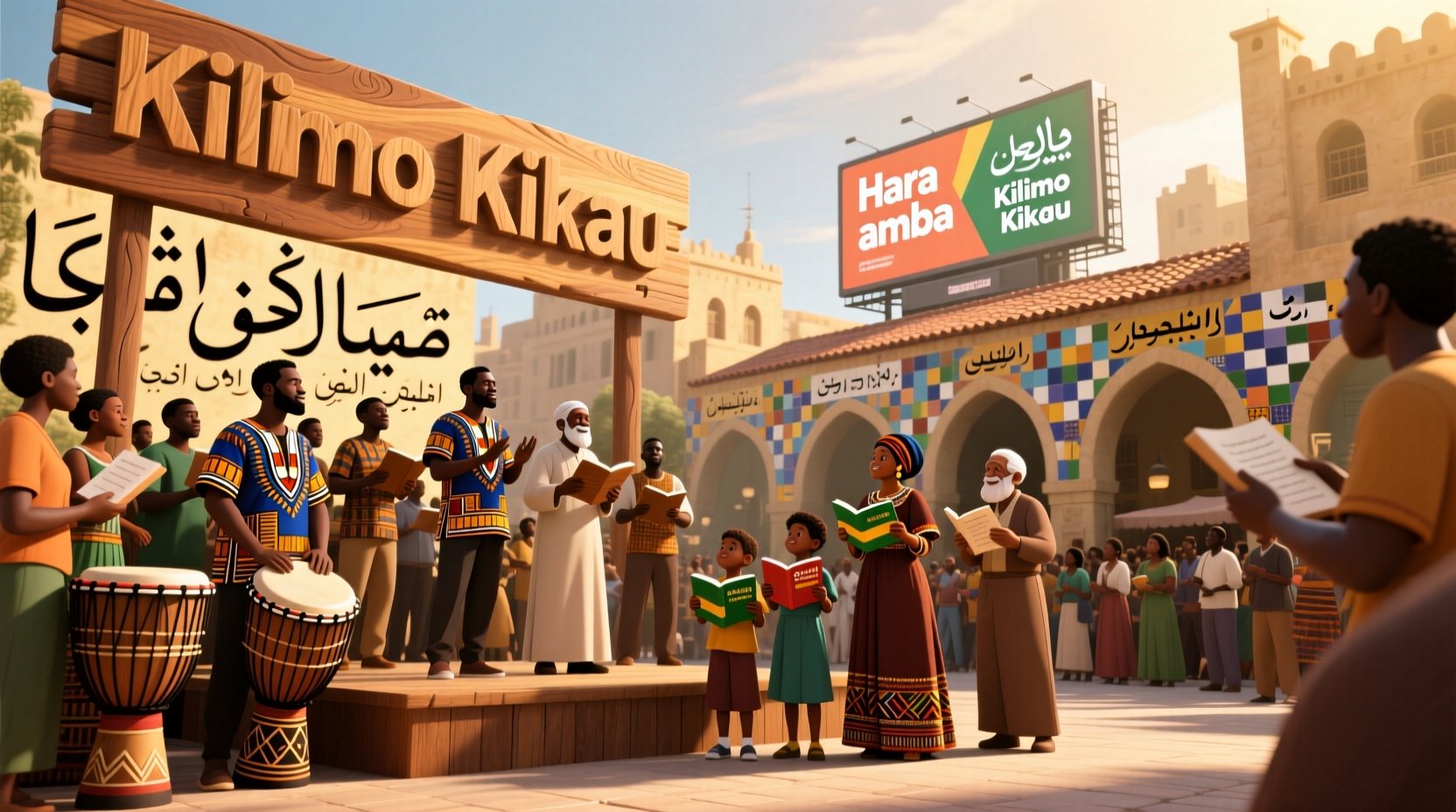
Every year on July 7, the world unites to celebrate World Kiswahili Language Day, a vibrant international observance established by the United Nations to honor one of Africa’s most widely spoken and culturally rich languages. Recognized officially through UN General Assembly Resolution A/RES/78/312, this day highlights the growing global significance of Kiswahili—not only as a means of communication across East Africa but also as a symbol of unity, identity, and cultural resilience. With over 200 million speakers spanning countries like Tanzania, Kenya, Uganda, Rwanda, Burundi, the Democratic Republic of the Congo, and parts of Mozambique and Somalia, Kiswahili stands as a dynamic bridge between nations and continents.
This annual celebration, accessible via the official UN page at https://www.un.org/en/observances/kiswahili-day, invites educators, artists, linguists, policymakers, and communities worldwide to reflect on linguistic diversity and promote inclusive multilingualism. As globalization continues to reshape cultural landscapes, preserving and elevating indigenous languages like Kiswahili becomes not just an act of heritage conservation—but a strategic step toward equity in education, diplomacy, media, and digital technology.
The story of Kiswahili—also known as Swahili—is deeply interwoven with centuries of trade, migration, and cultural exchange along the East African coast. Originating around the 8th century, Kiswahili emerged as a lingua franca among Bantu-speaking communities and Arab traders who frequented the coastal regions of modern-day Tanzania, Kenya, and Mozambique. Its name derives from the Arabic word “Sawāhil,” meaning “coasts,” reflecting its maritime origins.
Over time, Kiswahili absorbed vocabulary from Arabic, Persian, Portuguese, English, and later Indian languages due to sustained contact through commerce and colonization. Despite colonial efforts to suppress African languages during the 19th and early 20th centuries, Kiswahili endured—and even flourished—as a unifying force. In post-independence Tanzania, President Julius Nyerere championed Kiswahili as the national language to foster unity among more than 120 ethnic groups. This visionary policy laid the foundation for Kiswahili’s institutional use in government, education, and public life.
The momentum continued into the 21st century. In 2016, the African Union adopted Kiswahili as an official working language, signaling continental recognition of its diplomatic and integrative potential. Then came a historic milestone: on December 14, 2022, the United Nations General Assembly adopted Resolution A/RES/78/312, proclaiming July 7 as World Kiswahili Language Day. This resolution was led by Comoros, Angola, and several East African nations, emphasizing Kiswahili’s role in advancing sustainable development, peacebuilding, and intercultural dialogue.
The establishment of World Kiswahili Language Day serves multiple interconnected purposes—all centered on promoting linguistic rights, cultural visibility, and educational equity. At its core, this international day seeks to:
One of the most profound impacts of this observance is its ability to challenge long-standing linguistic hierarchies that have favored European languages in international institutions. By elevating Kiswahili—a language rooted in African soil—the UN sends a clear message: linguistic justice is integral to social justice.
Moreover, research shows that children learn best in their mother tongue or familiar language during early education. Yet, millions of African students are taught in colonial languages such as English or French, creating barriers to comprehension and retention. World Kiswahili Language Day amplifies calls for curriculum reform and teacher training in local languages, directly contributing to Sustainable Development Goal 4 (Quality Education).
The day also catalyzes innovation. Tech companies and developers are increasingly investing in natural language processing (NLP) tools for Kiswahili, enabling voice assistants, translation apps, and AI-driven learning platforms. For instance, Google Translate added Kiswahili in 2018, and Wikipedia now hosts a growing Kiswahili edition (sw.wikipedia.org). These advancements democratize access to knowledge and ensure Kiswahili remains relevant in the digital age.
Since its inception, World Kiswahili Language Day has sparked enthusiastic celebrations across continents. From poetry slams in Nairobi to academic symposia in New York, the event showcases the language’s versatility and appeal. Below is a snapshot of how different regions engage with this international day:
| Region | Celebration Highlights | Key Participants |
|---|---|---|
| East Africa | National festivals, school competitions, radio programs, art exhibitions | Ministries of Education, UNESCO offices, cultural NGOs |
| United States | University lectures, Swahili film screenings, community language workshops | African Studies departments, diaspora associations |
| Europe | Multilingual conferences, museum exhibits on Swahili culture, social media campaigns | UN information centers, embassies, language schools |
| Caribbean & Latin America | Cultural exchanges with African descendants, Pan-African solidarity events | Black cultural movements, Afro-Latin organizations |
| Digital Space | Trending hashtags (#KiswahiliDay), online courses, virtual choirs singing in Swahili | Social media influencers, ed-tech startups, UN agencies |
In 2023, the inaugural observance featured a high-level UN ceremony in New York, where delegates delivered speeches entirely in Kiswahili. Performances included traditional Taarab music from Zanzibar and contemporary Afrobeat fusions incorporating Swahili lyrics. Educational institutions launched “Speak Kiswahili Week” initiatives, while publishers released new bilingual children’s books and literary translations.
The involvement of youth is particularly notable. Platforms like TikTok and Instagram have seen surges in #SwahiliChallenge videos, where users teach basic phrases, share proverbs (methali), or perform spoken word poetry. This grassroots engagement illustrates how digital tools can amplify linguistic revival and make language learning fun and accessible.
World Kiswahili Language Day is far more than a symbolic gesture—it is a transformative movement toward a more inclusive, equitable, and culturally vibrant world. By recognizing Kiswahili as a vehicle for diplomacy, education, artistic expression, and technological innovation, the United Nations affirms that language is not merely a tool for communication, but a cornerstone of human identity and dignity.
As we mark July 7 each year, we reaffirm our commitment to preserving linguistic diversity and challenging the marginalization of non-dominant languages. Kiswahili’s journey—from coastal markets to the halls of the UN—is a testament to the enduring power of culture and collective will. It reminds us that every language carries wisdom, history, and worldview worth protecting.
To educators, students, policymakers, and global citizens: let this day inspire action. Learn a phrase in Kiswahili. Support African-language media. Advocate for mother-tongue education policies. And above all, explore the wealth of resources available through the United Nations’ official observance page: World Kiswahili Language Day – United Nations. Together, we can build a world where no language is left behind. 🌍💬