Address
304 North Cardinal St.
Dorchester Center, MA 02124
Work Hours
Monday to Friday: 7AM - 7PM
Weekend: 10AM - 5PM
Address
304 North Cardinal St.
Dorchester Center, MA 02124
Work Hours
Monday to Friday: 7AM - 7PM
Weekend: 10AM - 5PM


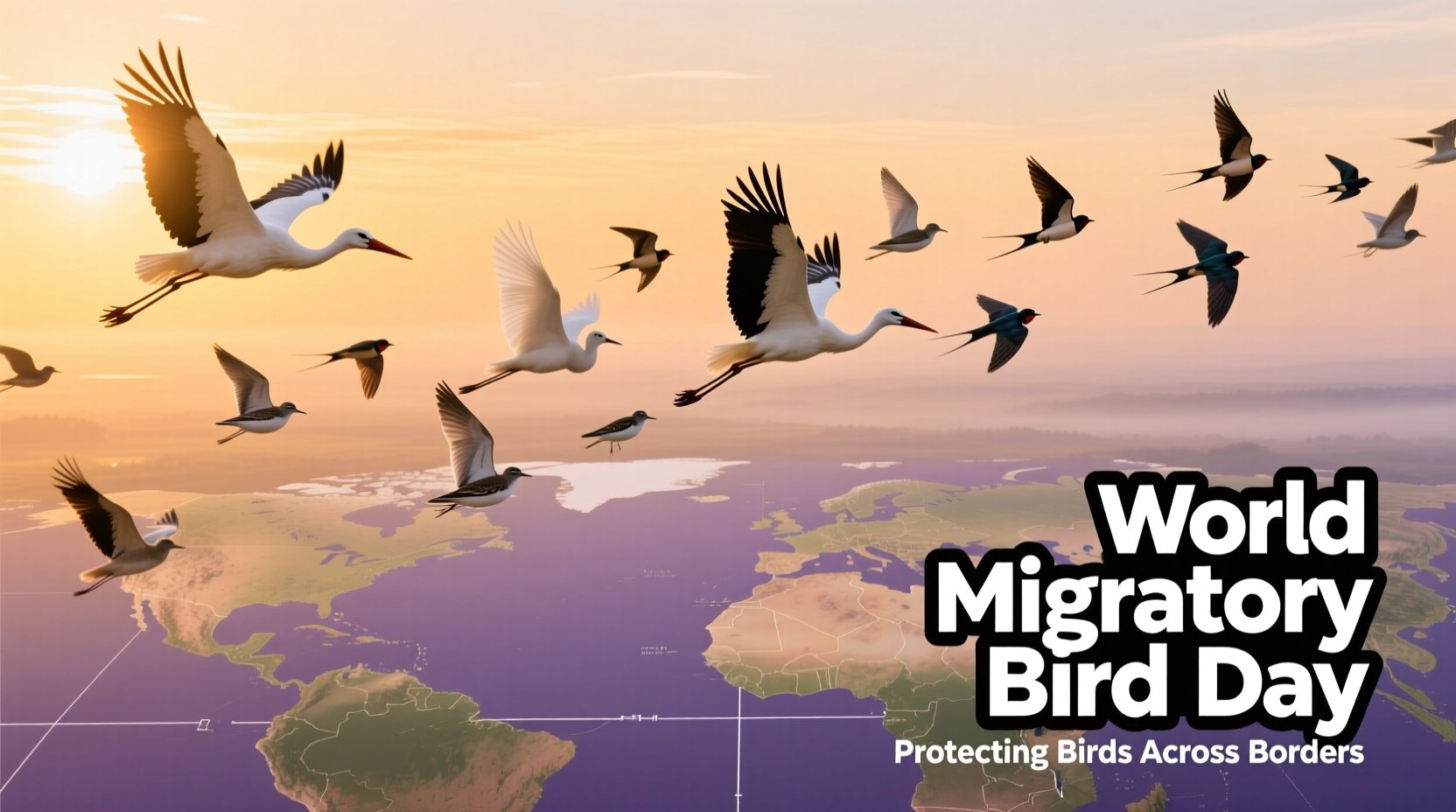
Birds have long captivated humanity with their grace, song, and astonishing journeys across continents 🌍. Every year, millions of birds embark on epic migrations, navigating thousands of miles between breeding and wintering grounds—guided by instinct, stars, and Earth’s magnetic fields 🧭. To honor these incredible travelers and raise awareness about the challenges they face, World Migratory Bird Day (WMBD), supported by the United Nations Environment Programme (UNEP), is observed twice annually—on the second Saturday of May and October. This global initiative highlights the urgent need to protect migratory birds and their habitats from growing environmental threats such as habitat loss, climate change, pollution, and illegal hunting 🛑.
Since its inception, World Migratory Bird Day has evolved into a powerful platform for conservation education, international cooperation, and community engagement. It unites governments, NGOs, scientists, educators, and citizens worldwide in efforts to safeguard avian biodiversity—a critical component of healthy ecosystems. In this article, we explore the background, purpose, global impact, and widespread participation surrounding this vital observance, emphasizing why protecting migratory birds is not just an ecological imperative but a shared human responsibility ❤️.
The roots of World Migratory Bird Day trace back to the early 1990s when concern over declining bird populations began gaining momentum among conservationists. In North America, Bird Conservation Week was established in 1993 by the U.S. Fish and Wildlife Service and non-governmental partners to promote bird protection. Around the same time, similar regional events emerged across Europe and Africa. Recognizing the transboundary nature of bird migration, international organizations saw the need for a unified global campaign.
In 2006, the Convention on the Conservation of Migratory Species of Wild Animals (CMS), also known as the Bonn Convention, launched the first official World Migratory Bird Day in collaboration with the African-Eurasian Migratory Waterbird Agreement (AEWA) and UNEP. The goal was clear: create a coordinated, worldwide effort to address the threats facing migratory birds that cross national borders and require multinational solutions 🕊️.
Originally celebrated once a year, WMBD expanded to two annual observances in 2018—one in May and one in October—to reflect the different migration patterns in the Northern and Southern Hemispheres. Each year features a unique theme focusing on specific aspects of bird conservation, such as light pollution, plastic waste, or sustainable development. Past themes include:
This thematic approach allows organizers to focus public attention on emerging issues while fostering targeted policy action and behavioral change.
Migratory birds are more than symbols of freedom and beauty—they play essential roles in maintaining ecological balance. They pollinate plants, disperse seeds, control insect populations, and serve as indicators of environmental health. When bird populations decline, it often signals broader ecosystem degradation.
The primary objectives of World Migratory Bird Day include:
One of the most significant impacts of WMBD has been its role in influencing legislation and conservation strategies. For example, campaigns against illegal bird trapping in the Mediterranean have led to stricter enforcement in countries like Cyprus and Italy. Similarly, advocacy around light pollution has prompted cities such as Toronto and New York to implement “Lights Out” programs during peak migration seasons, reducing fatal collisions with buildings ⚠️🐦.
Moreover, WMBD supports the implementation of key international agreements, including the CMS, AEWA, and the Ramsar Convention on Wetlands. These frameworks facilitate cross-border collaboration, ensuring that conservation efforts are harmonized along entire migration routes—or flyways.
| Flyway | Key Regions | Threats Addressed by WMBD |
|---|---|---|
| African-Eurasian | Europe, Africa, Middle East | Habitat loss, hunting, pesticides |
| Americas | North, Central, South America | Urbanization, deforestation, climate change |
| East Asian-Australasian | China, Southeast Asia, Australia | Wetland reclamation, industrial pollution |
| Black Sea-Mediterranean | Balkans, Turkey, North Africa | Illegal killing, power line collisions |
World Migratory Bird Day is truly a global phenomenon, with hundreds of events held each year across more than 100 countries. From school workshops and birdwatching festivals to policy roundtables and habitat restoration projects, communities come together to celebrate and protect migratory birds.
In 2023 alone, over 1,300 registered events took place worldwide, involving:
Notable examples of impactful participation include:
Digital outreach has further amplified WMBD’s reach. Social media campaigns using hashtags like #WorldMigratoryBirdDay and #LightPollution generate millions of impressions, engaging younger audiences and encouraging online activism.
World Migratory Bird Day is far more than a symbolic celebration—it is a vital call to action for preserving the delicate web of life that connects our planet 🌐. As climate change accelerates and natural habitats disappear, migratory birds face unprecedented challenges. Their survival depends on sustained international cooperation, informed policymaking, and active public involvement.
By participating in World Migratory Bird Day, individuals and communities contribute to a larger movement that values biodiversity, promotes sustainability, and respects the interconnectedness of all living things 🌱. Whether you’re organizing an event, reducing light pollution at home, or simply spreading awareness, your actions matter.
To learn more about how you can get involved, explore educational resources, or register your own event, visit the official United Nations website for World Migratory Bird Day. Together, we can ensure that future generations continue to witness the awe-inspiring spectacle of birds in flight—free, safe, and soaring across the skies 🕊️.