Address
304 North Cardinal St.
Dorchester Center, MA 02124
Work Hours
Monday to Friday: 7AM - 7PM
Weekend: 10AM - 5PM
Address
304 North Cardinal St.
Dorchester Center, MA 02124
Work Hours
Monday to Friday: 7AM - 7PM
Weekend: 10AM - 5PM


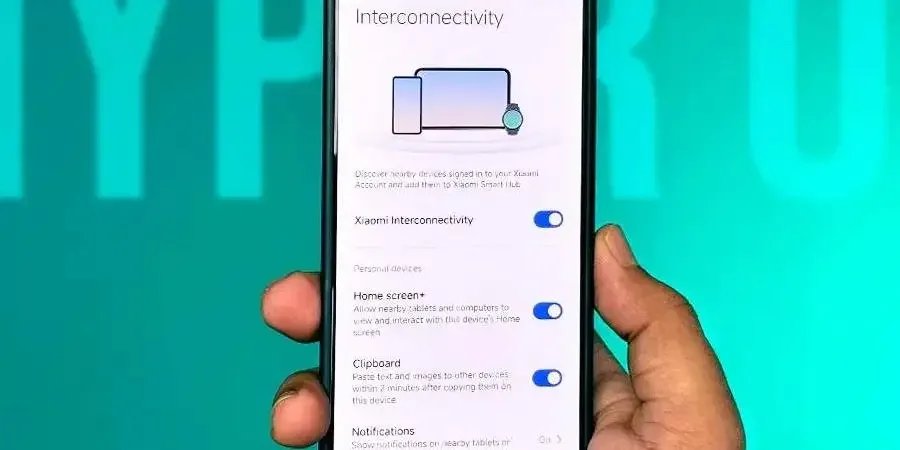
HyperOS, Xiaomi’s latest Android-based software skin, is now available on all the newest Xiaomi, Redmi, and POCO phones. Like its predecessor MIUI, HyperOS boasts a wealth of features designed to enhance user experience. However, many users find it bogged down by bloatware and an excessive number of advertisements. These issues can hinder performance, consume valuable resources, and diminish user satisfaction.
Fortunately, you can take several straightforward steps to optimize HyperOS by removing unwanted ads and bloatware. This guide provides a detailed, step by step process to declutter your device, improve its efficiency, and ensure a more enjoyable and secure experience.
So, HyperOS is notorious for its integrated ads, which can appear throughout the system and its pre installed apps. These ads not only disrupt the user experience but may also compromise your device’s privacy. Here’s how to disable them:
1. Remove System Ads
2. Remove Ads from System Apps
So, ads are embedded in many pre installed system apps, including Security, Music, Mi Browser, File Manager, Themes, and Downloads. To remove these:
3. Remove Ads from the App Drawer
Also, the Wallpaper Carousel feature frequently displays unwanted ads and can drain your device’s battery. Follow these steps to disable it:
The Security app on HyperOS includes a feature that scans apps before installation but also displays ads.
Unnecessary notifications can be a source of frustration and distraction. To manage app notifications:
Also, Bloatware refers to pre installed apps that you might not use or need. Removing these apps can free up storage, improve battery life, and enhance your device’s performance.
Also, for apps that cannot be removed through traditional methods, consider using a tool like Universal Android Debloater, available on GitHub. This tool enables advanced users to remove app packages, but caution is advised to avoid removing critical system apps.
Important Note: Avoid removing essential apps related to system operations or those containing personal data.
So, Bloatware refers to the pre installed apps that come with HyperOS. These apps may not be useful to you and can consume valuable storage and system resources. For a detailed list of bloatware apps specific to HyperOS, you can search online forums such as Reddit where other users often share recommendations for safe removal.
Additionally, HyperOS includes advertisements integrated into the software interface, which are displayed in system apps, the app drawer, and other areas. These ads can be disabled by turning off MSA, disabling personal ad recommendations, and tweaking the settings in specific apps as described above.
Bloatware isn’t inherently harmful but can negatively impact your device by:
Removing bloatware allows you to free up resources for apps and features you find genuinely useful.
By following the steps outlined in this guide, you can transform your HyperOS experience into a cleaner, faster, and more secure environment. While ads and bloatware are common challenges with many Android based software skins, they don’t have to hinder your enjoyment of your device.
Whether you’re a casual user or a tech enthusiast, these optimization techniques can help you reclaim control over your smartphone. SO, take the time to customize your settings, remove unnecessary clutter. And enjoy the improved performance of your Xiaomi, Redmi, or POCO phone.
Source from Gizchina
Disclaimer: The information set forth above is provided by gizchina.com independently of Alibaba.com. Alibaba.com makes no representation and warranties as to the quality and reliability of the seller and products. Alibaba.com expressly disclaims any liability for breaches pertaining to the copyright of content.